How to Combine Museums and Immersive Experiences in Paris
A painting can leave you with a question that follows you out of the museum. Who bought the colors, who paid the rent, and what did the neighborhood feel like before the artist became famous? A live encounter can open a different door into that world, but it cannot replace the painting or the evidence around it. Combining museums and immersive experiences in Paris works best when the two visits become a conversation, each revealing something the other cannot show.
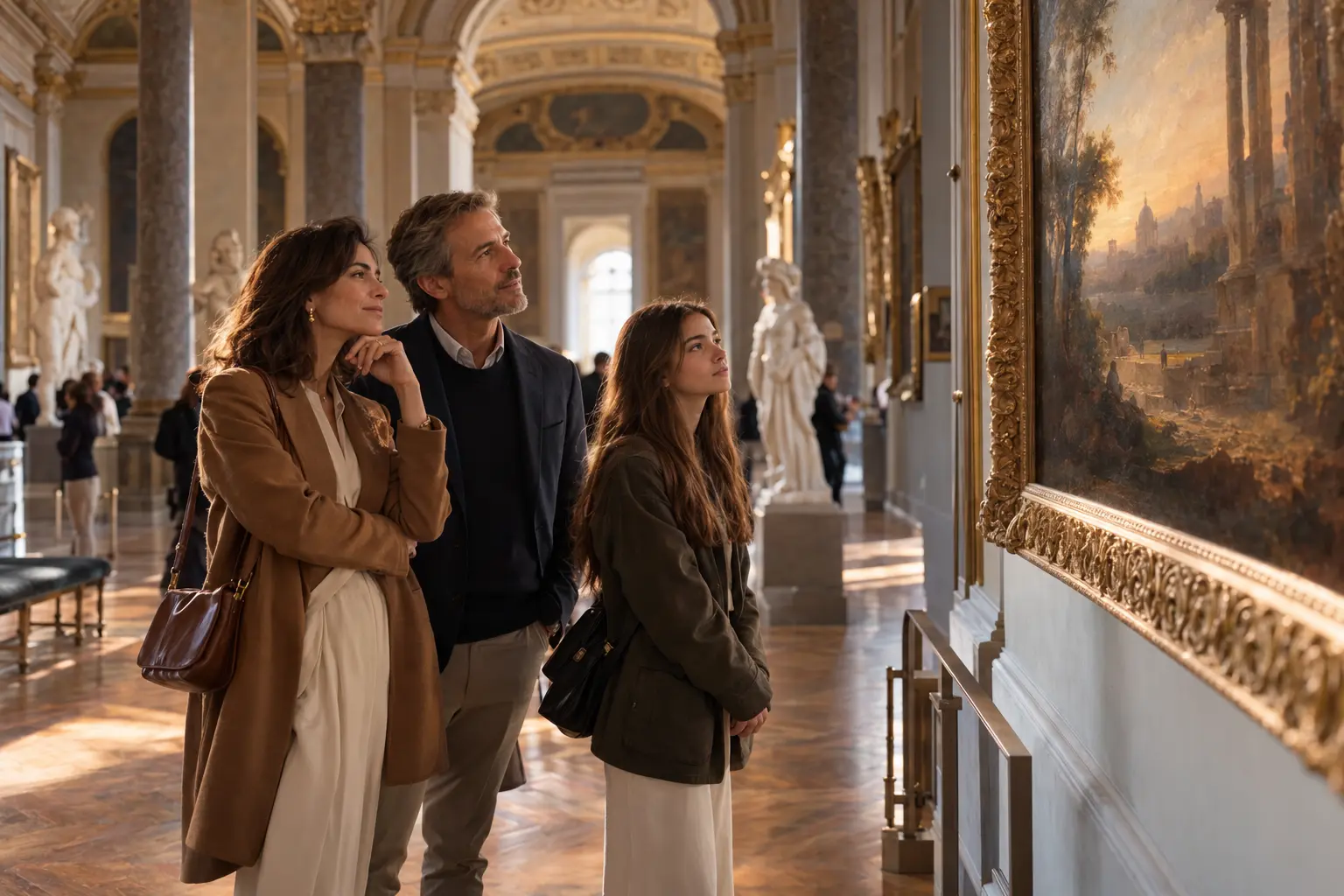
Choose the connection before choosing the tickets
Start with a specific curiosity rather than a pair of prestigious names. You might want to understand how an artistic community worked, how fashion shaped a public identity, or how people remembered a changing city. A collection offers objects and documented context, while a performance can make a viewpoint vivid through a professional actor's interpretation. Our comparison of museums and immersive experiences helps you decide what kind of attention each part of the day asks from you.
Montmartre offers one possible artistic connection, because its museum explores the neighborhood's art and history through collections and the studio of Suzanne Valadon. An encounter connected with the district can then raise questions about the people and choices behind artistic life, provided its actual subject fits your interests. Read the Immmersiv Montmartre experience page to understand its character-centered approach before treating it as a suitable match. The relationship is thematic, and a separate museum ticket should never be assumed to belong to the encounter.
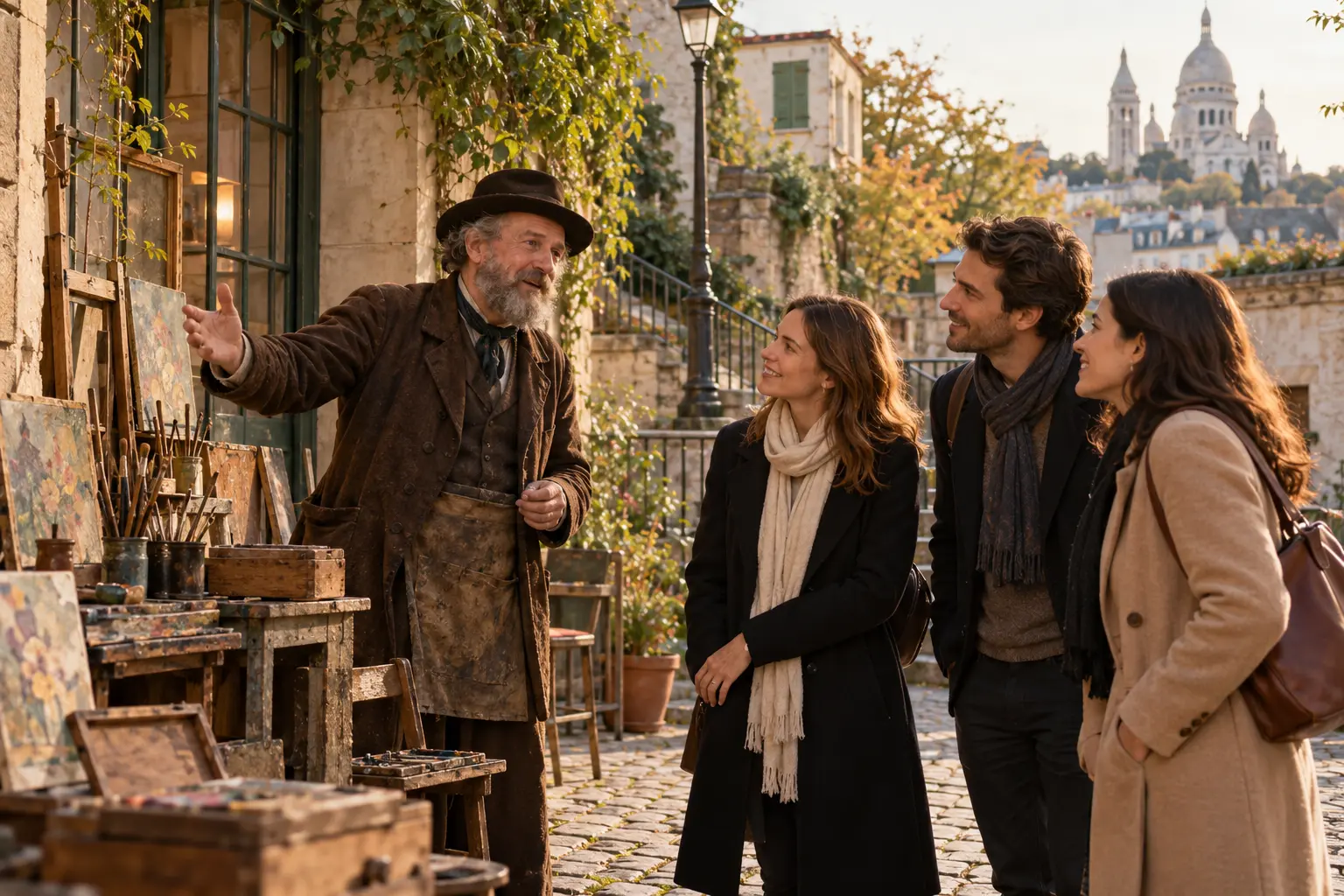
Let the order serve your curiosity
Visiting the museum first can be useful when you want a foundation of objects, labels, and questions before meeting a performed character. Pick a small number of works and give yourself permission to look carefully instead of completing every room. Carry one unresolved question into the second experience, and notice how the performance frames it. Travelers who prefer collections at the center of their trip can use our Paris guide for museum lovers to keep that priority clear.
Reversing the order can work when a strong narrative helps you decide what to look for afterward. Listen for the distinction between documented history, a character's interpretation, and a dramatic choice that makes the story speak to you. The museum can then give you objects or information against which to test the impressions you have carried away. Neither order guarantees a better result, so choose the one that suits your energy and the questions you actually want to pursue.

Plan the space between the experiences
Two meaningful visits can still make a poor day if the route sends you across Paris repeatedly. Compare the real locations, allow time for meals and security, and check the museum's current admission arrangements before committing to the sequence. The Paris experience map helps place Immmersiv's stories geographically, while each institution remains the source for its own access conditions. A related neighborhood walk can be a useful bridge, but an ordinary seated break may be exactly what makes the next visit enjoyable.
For families, invite each person to choose one object or detail to carry between the visits. Adults may prefer a question about patronage or social change, while younger travelers might remember a material, a face, or an unusual building. Our family weekend framework shows how to make those interests coexist without filling every hour. Check the live encounter format, age suitability, language, walking requirements, and weather exposure before assuming that a particular pairing will work for everyone.
At the end of the day, try to describe what changed between the two experiences. Perhaps an object now feels connected to a person, or a dramatic scene has left you wanting firmer evidence. Both responses can make the journey richer when you keep their sources distinct. A well-chosen museum and immersive encounter do more than occupy the same itinerary: they give you two ways to keep investigating the same fascinating question.