The Perfect 3-Day Paris Itinerary for Culture Lovers
Three days in Paris are enough for a meaningful cultural journey if every day tells one connected story. This itinerary resists the urge to collect monuments from opposite sides of the city. It begins with the historical heart, moves through the transformation of art, and finishes with the communities that made modern Paris creative. Each day includes one major cultural anchor, a walkable sequence, and space for an encounter that turns context into memory.
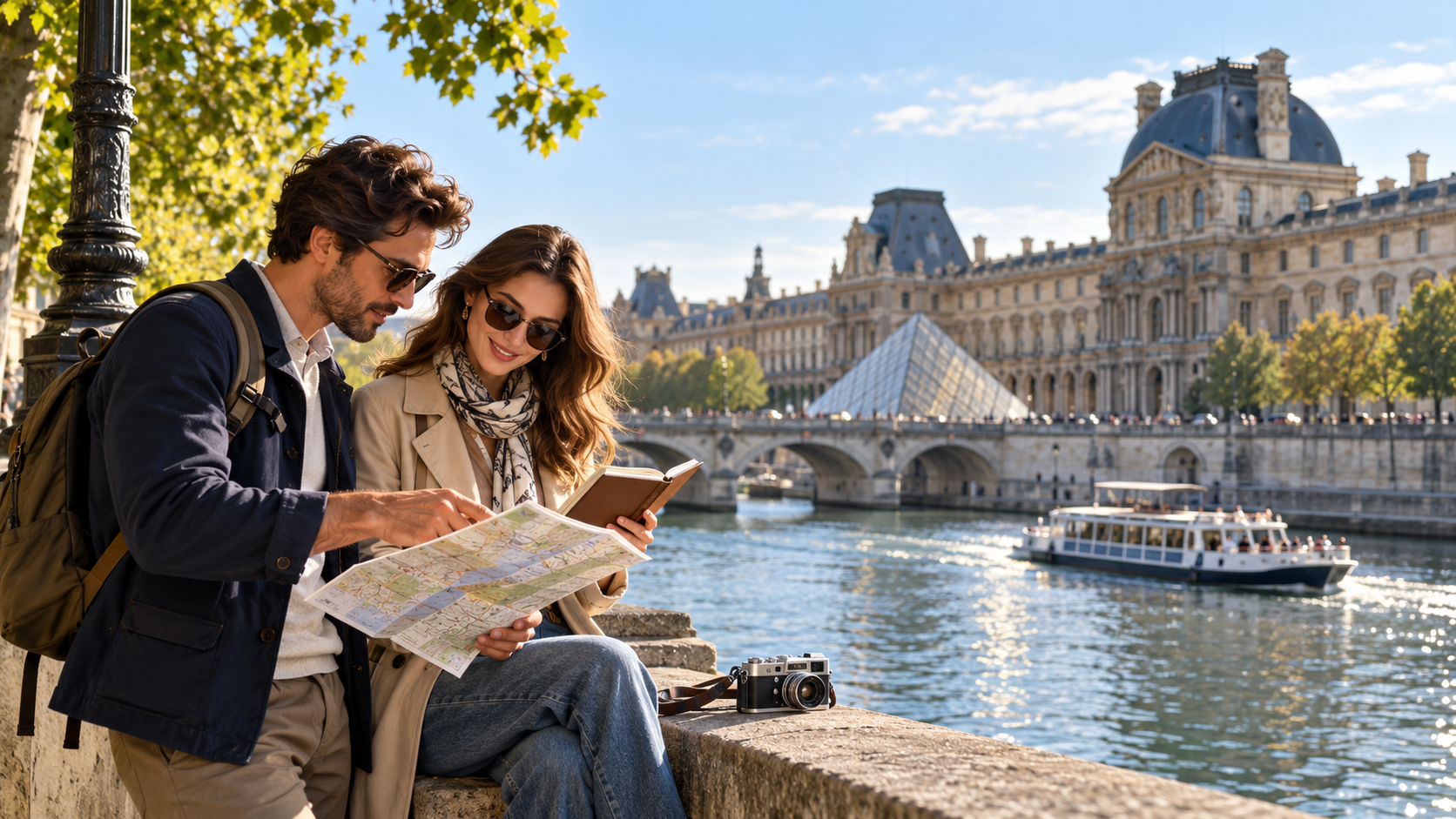
Day one: the historic center as a living archive
Begin on the Île de la Cité before the streets become crowded. Look at the island as the place where royal, religious, judicial, and civic histories overlap rather than as a corridor between famous buildings. Pair the exterior and surroundings of Notre-Dame with either Sainte-Chapelle or the Conciergerie, allowing time for security and timed admission. Cross the Seine on foot so the changing riverbanks become part of the narrative.
After lunch, choose one institution that explains the city rather than another global masterpiece collection. Musée Carnavalet gives a long view of Parisian history through objects, rooms, images, and episodes, making the streets outside more legible afterward. Finish with an unhurried walk through the Marais, observing traces of aristocratic architecture, commerce, and later communities. The day should end with a question about how Paris has continually reused its past.
Day two: follow art across a century
Reserve the morning for one major art museum and arrive with a theme. At the Louvre, that might be French painting, ancient worlds, or the history of the palace itself, while the Musée d’Orsay supports a more concentrated exploration of nineteenth-century art. Trying to “do” both museums thoroughly in one day usually produces fatigue rather than insight. A focused visit followed by lunch and daylight gives the works a chance to stay in memory.
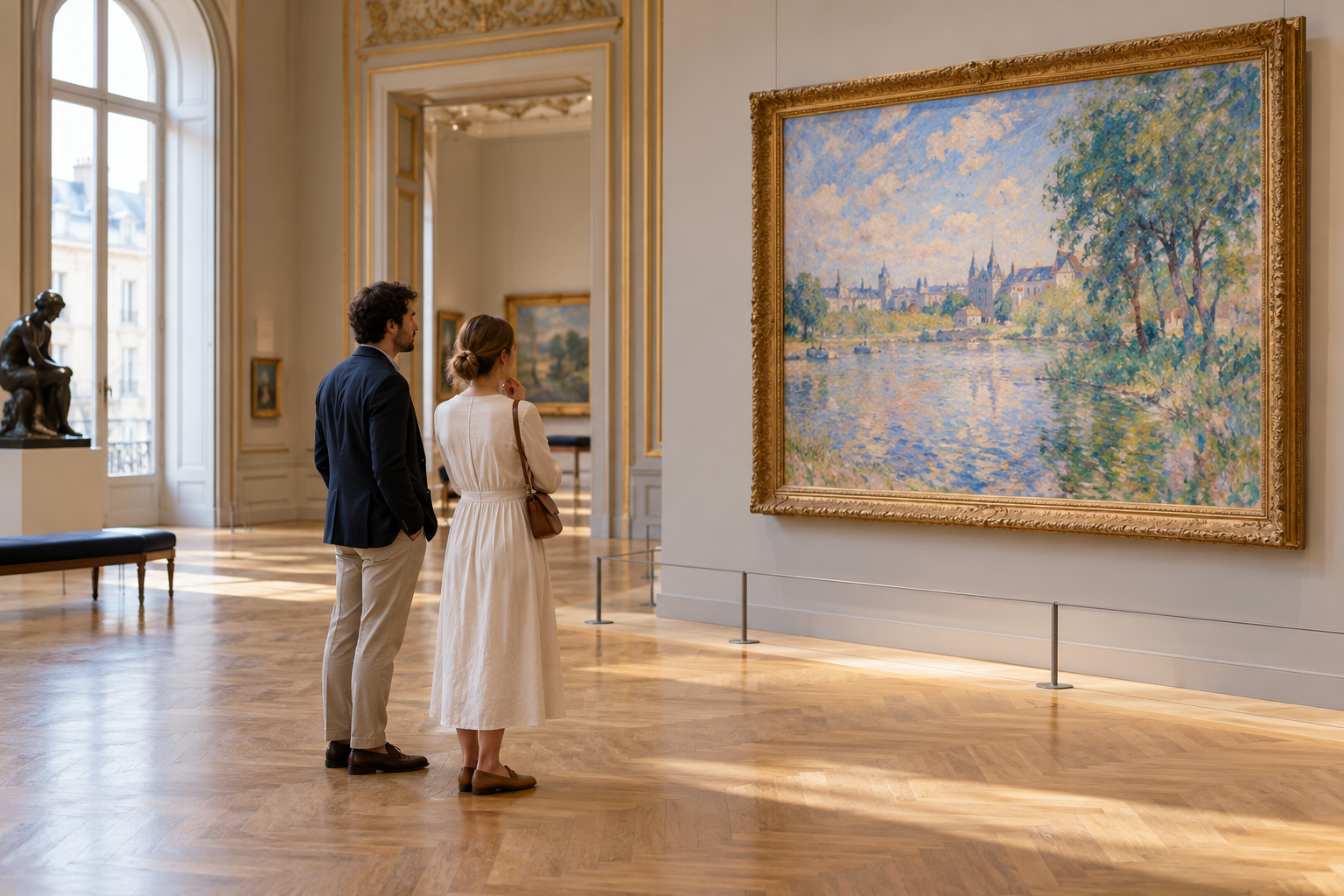
Use the afternoon to compare the museum with the city that produced its art. Walk through Saint-Germain-des-Prés for literary and artistic associations, or follow the Seine toward the Tuileries and Place de la Concorde to read changing ideas of power and public space. Choose a concert, theater performance, or opera-related visit for the evening only if energy remains. Performance should feel like a second way of understanding Paris, not an obligation after an already exhausting day.
Day three: Montmartre, networks, and modern cultural life
Start in Montmartre before midday and look beyond the postcard viewpoint. The neighborhood’s artistic reputation was built through studios, affordable rooms, cafés, dealers, models, and relationships, not through a single picturesque street. Trace one manageable route and pause to distinguish surviving places from stories repeated mainly because they are charming. A character-led encounter with Père Tanguy can make the networks behind celebrated artists more human and specific.
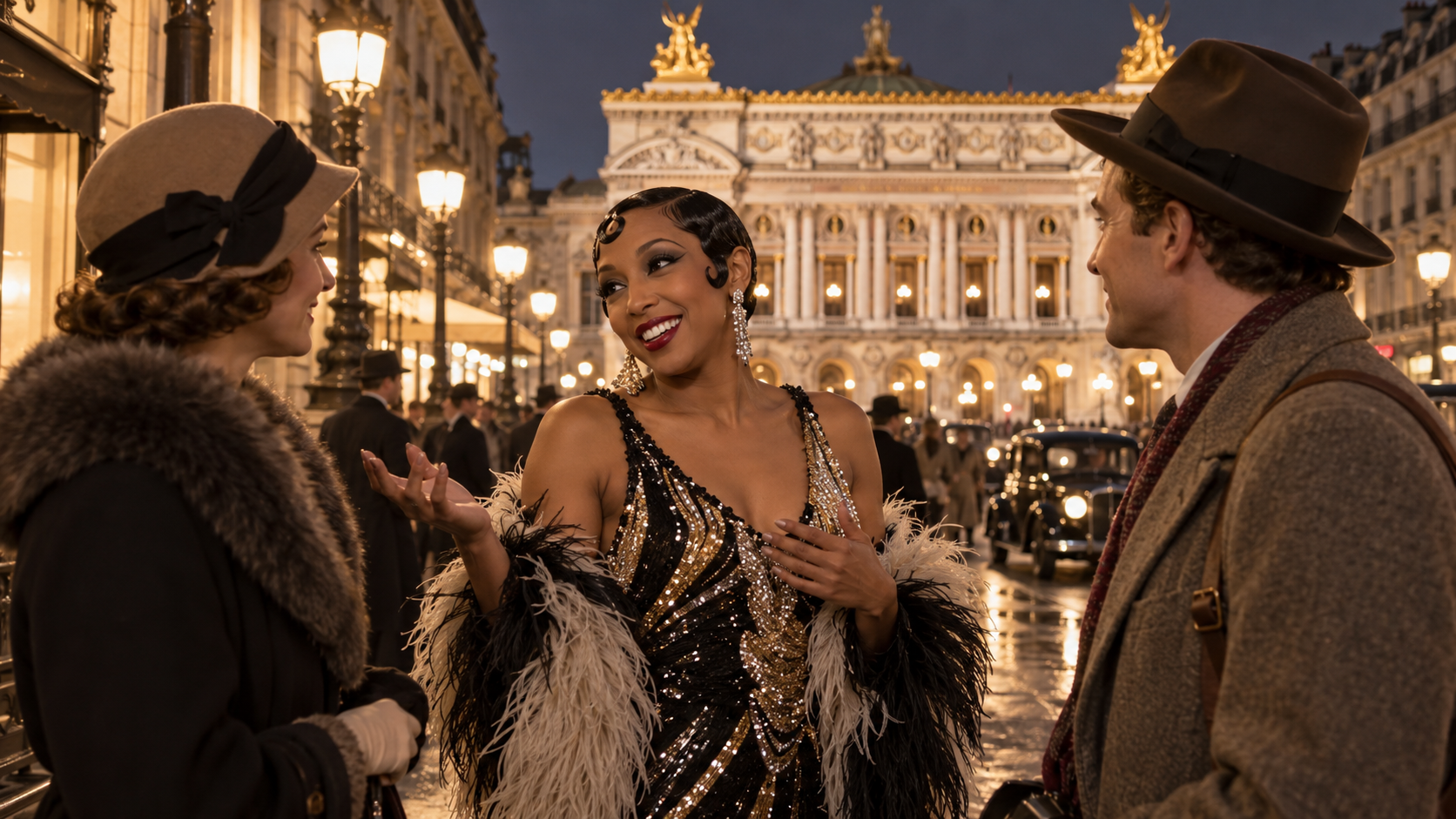
Move toward the Opéra district later in the day, giving the final evening a different urban scale. Palais Garnier can be read through architecture, spectacle, social display, and the labor behind performance. Nearby, the story of Joséphine Baker opens questions about entertainment, race, resistance, and French citizenship that reach far beyond glamour. This contrast between Montmartre’s working networks and the monumental stage makes the final day intellectually satisfying.
Make the itinerary yours without breaking its rhythm
Check official schedules before assigning fixed days because museums close on different weekdays and evening openings vary. Reserve only the most important timed entries, then keep meals and neighborhood walks adaptable. If one collection matters deeply, give it half a day and remove something else instead of compressing every stop. The itinerary succeeds when its three stories remain clear: the city formed, art transformed it, and people brought its culture to life.
Three days will not reveal every Paris. They can, however, establish a strong relationship with the city through objects, architecture, streets, and voices. Leave each day with one vivid connection rather than ten unprocessed names. That is enough to make a return visit feel like a continuation rather than a restart.
For the practical part of this outing, consult Paris, your playground to locate Immmersiv experiences. Browse the personalities according to the subject that interests you. Read what to expect alongside the individual experience description before booking. Confirm current language, suitability, walking requirements, access needs, and availability for your own group.
Continue the story with Immmersiv
Père Tanguy and the Artists of Montmartre features a professional actor embodying Père Tanguy and explores the relationships behind the neighborhood’s artistic reputation. Joséphine Baker in Paris features a professional actor embodying Joséphine Baker and connects performance with a wider twentieth-century life. Each encounter adds a human scale to one of the itinerary’s cultural districts. Verify current date, language, route, and practical details before adding either experience.