Château Grimaldi in Antibes: How a Castle Became Picasso’s Studio
A castle beside the sea seems an unlikely place to lend a painter a room. Yet that invitation changed the story of Château Grimaldi in Antibes. In 1946, Picasso worked inside a building that already carried centuries of other people’s lives. Look at its stone walls with that episode in mind, and a museum becomes something more personal: a place where an artist was allowed to get to work.
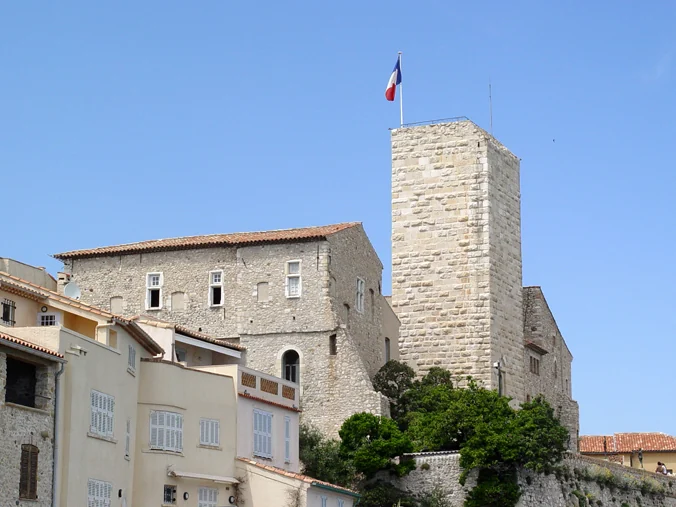
A building with a life before Picasso
Start by letting the name Château Grimaldi pull your attention away from the famous painter. The Grimaldi family occupied the castle from 1385, giving the building the name it still carries. Other uses followed, including a town hall and military barracks. Those changes matter because the castle was never simply an empty shell waiting for a celebrity to arrive.
The seaside setting offers a useful way into the history of Antibes. Look for the relationship between the dense old town, the high masonry, and the water beyond it. You do not need to imagine a particular conversation or reconstruct an undocumented scene. The contrast is visible enough: substantial stone, exposed coastline, and a building whose purpose has repeatedly changed.
The invitation that made a studio
Antibes bought the castle in 1925, establishing the Musée Grimaldi under its first curator, Romuald Dor de la Souchère. Twenty-one years later, the curator offered Picasso space to work there. The Musée national Picasso-Paris dates the invitation to September 1946. This was a working arrangement inside an existing museum, rather than a new museum built around an already finished collection.
That distinction changes how you read Picasso in Antibes. Instead of beginning with the later institution’s reputation, begin with the practical generosity of making room for an artist. A workspace connects a person to a place through repeated acts of looking and making. Compare that southern chapter with Picasso’s Paris, where a different urban setting helps frame another part of his story.
Keep Antibes and Vallauris on separate pages
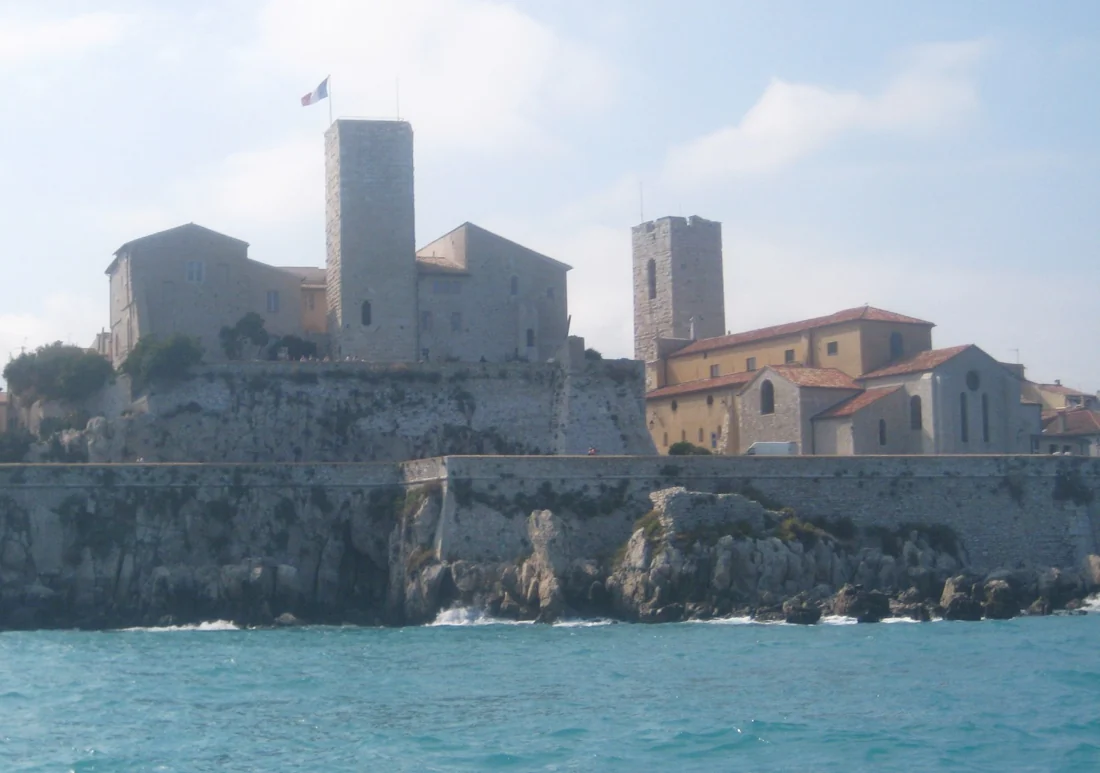
The Mediterranean years can easily blur into one long episode, but the geography deserves more care. In 1946, Picasso also met Suzanne and Georges Ramié, the potters associated with Madoura in Vallauris. He returned to them in 1947, and ceramics became an important part of that separate chapter. Antibes and Vallauris are connected in his career without being interchangeable places.
For a traveler, keeping those settings distinct makes the Riviera easier to understand. A castle room, a pottery workshop, and a festival city each suggest a different relationship between culture and place. Our account of Cannes’s interrupted festival project follows another regional story through its own dates. Let the differences guide your curiosity instead of treating every southern destination as the same scenic backdrop.
From a working stay to a museum’s identity
After his stay, Picasso left paintings and drawings on deposit with Antibes. A dedicated Picasso room opened in 1947, while the castle officially became the Musée Picasso on December 27, 1966. The later name can make the transformation seem instantaneous when you first encounter it. Following the sequence reveals something slower: a brief period of work becoming part of an institution’s lasting identity.
There is a related pleasure in discovering the people who made artistic work possible. In Paris, Père Tanguy’s paint shop offers a different example, rooted in an earlier generation and another neighborhood. You can explore that earlier world through Immmersiv’s Montmartre experience with Père Tanguy, performed by a professional actor. The experience guide explains the format, while Antibes leaves you with a quieter question: what can happen when someone makes space for an artist?
Discover an Immmersiv Experience
Explore The Impressionists of Montmartre with a professional actor embodying Père Tanguy. This article provides background for your curiosity. It does not promise stops or access beyond the published experience route. Consult the current experience page for its route and practical details.