Cannes 1939: The Film Festival That Had to Wait
Before Cannes became a familiar image of stars arriving for a film premiere, its festival was a project that history interrupted. Invitations, planned screenings, and a seaside setting could not protect it from the crisis overtaking Europe. The Cannes 1939 film festival belongs to that revealing space between an event imagined and an event actually held. Following its story makes the Croisette more than a backdrop: it becomes a place where cinema, politics, and hope for international exchange meet.
A festival conceived in the shadow of Venice
The Festival de Cannes traces its origins to the political interference surrounding the Venice competition in 1938. French diplomat Philippe Erlanger wanted an international film event free from that pressure. Education Minister Jean Zay supported the initiative, giving the project an important advocate within the French government. From its beginning, the proposal concerned the conditions in which films would be judged as well as the films themselves.
That distinction is easy to lose when looking backward through the later glamour of Cannes. A festival is also a framework: someone chooses the films, appoints the jury, and decides which voices will be heard. The founding ambition makes those decisions part of the story rather than invisible administrative details. For another French example of artistic life intersecting with political history, explore Josephine Baker’s Paris, while keeping her individual story distinct from the festival’s institutional beginnings.
The September opening that never became a full festival
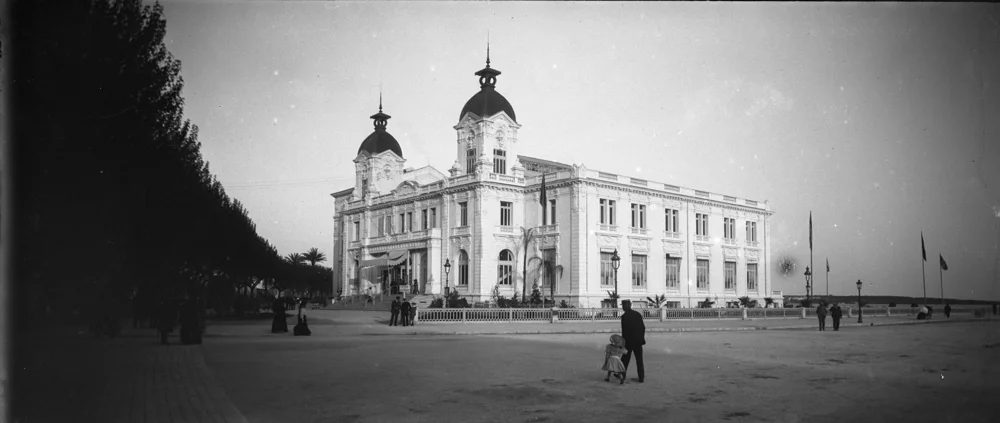
The proposed event was scheduled for September 1–20, 1939, in the Municipal Casino at Cannes. Louis Lumière was its honorary president, connecting the new gathering with an early pioneer of cinema. The date September 1 acquired a very different historical meaning when Germany invaded Poland. France and Britain declared war on Germany on September 3, and the planned competition could not proceed.
The festival’s own archives preserve the gap between elaborate preparations and the absence of a completed public event. They record invitations, a program of social occasions, and a private screening of William Dieterle’s The Hunchback of Notre-Dame. A single screening should not be mistaken for the full festival that organizers had intended. Keeping those categories separate explains why 1939 belongs to Cannes history while 1946 remains the year of the first effective edition.
The long return from a plan to an opening night
The project did not disappear immediately after its interruption. The official account of its revival describes attempts to reschedule, followed by years in which war and occupation made the necessary resources unavailable. Erlanger resumed the effort after the Liberation, but organizing a festival in damaged postwar France remained difficult. Money, transport, accommodation, and a usable venue all had to be considered alongside the selection of films.
The first effective festival opened on September 20, 1946. The competition used the Municipal Casino, and the surrounding celebrations gave the gathering a public life beyond the screening room. The official archive describes an occasion associated with peace and renewed contact between countries after years of suffering. Read alongside the wartime places and memories of Paris, this history offers another setting in which the consequences of conflict shaped French cultural life.
Read the images without turning them into the event
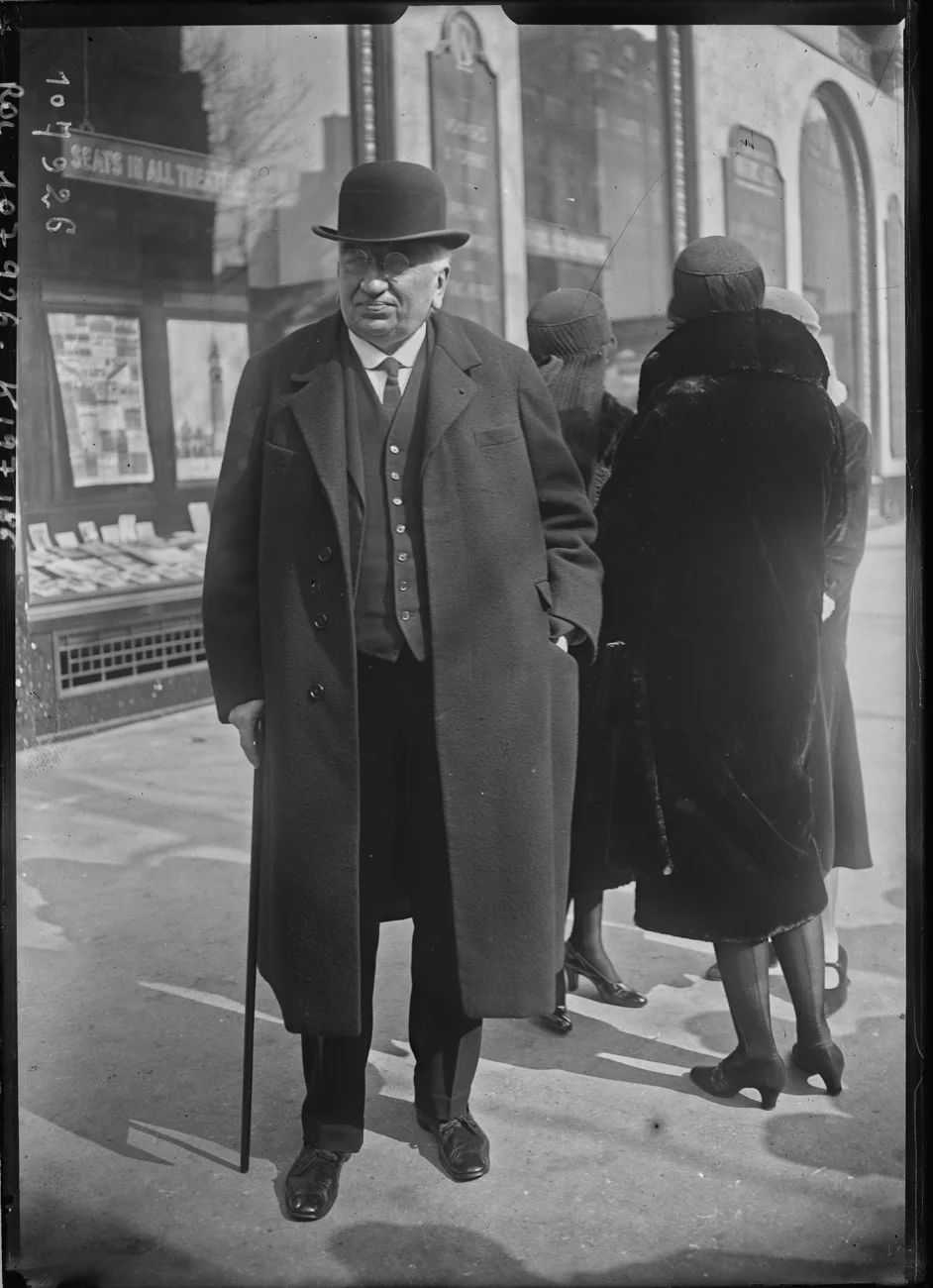
The photographs accompanying this article predate the planned festival. Henri Ferrand’s view of the casino is cataloged within a broad date range ending in 1926, while the Agence Rol portrait shows Louis Lumière in Paris in March 1926. Neither photograph documents an opening in Cannes in 1939. Their value is more precise: one introduces an earlier view of the setting, and the other gives a face to the intended honorary president.
Begin with our Cannes introduction before consulting Cannes: Cinema, Glamour & Scandals for its current published route. The experience uses the fictional filmmaker Quentin Tarantini, rather than presenting him as a historical organizer or as Quentin Tarantino. Our discussion of history and entertainment offers a useful companion to that distinction, and what to expect from Immmersiv explains the actor-led format. This background article does not include festival accreditation, screenings, or access to a historic venue as part of the walking experience.
Discover an Immmersiv Experience
Explore Cannes: Cinema, Glamour & Scandals with a professional actor embodying the fictional filmmaker Quentin Tarantini. This article provides background for your curiosity. It does not promise stops or access beyond the published experience route. Consult the current experience page for its route and practical details.