Museums with Kids: How to Avoid Museum Fatigue in Paris
The first painting receives a question, the fifth receives a glance, and by the next room the family is thinking about lunch. That change does not necessarily mean the museum was a poor choice. A large collection asks visitors to keep looking, reading, standing, and deciding long after their initial excitement has faded. Planning for that effort can help a family enjoy Paris museums without treating endurance as the measure of a successful visit.
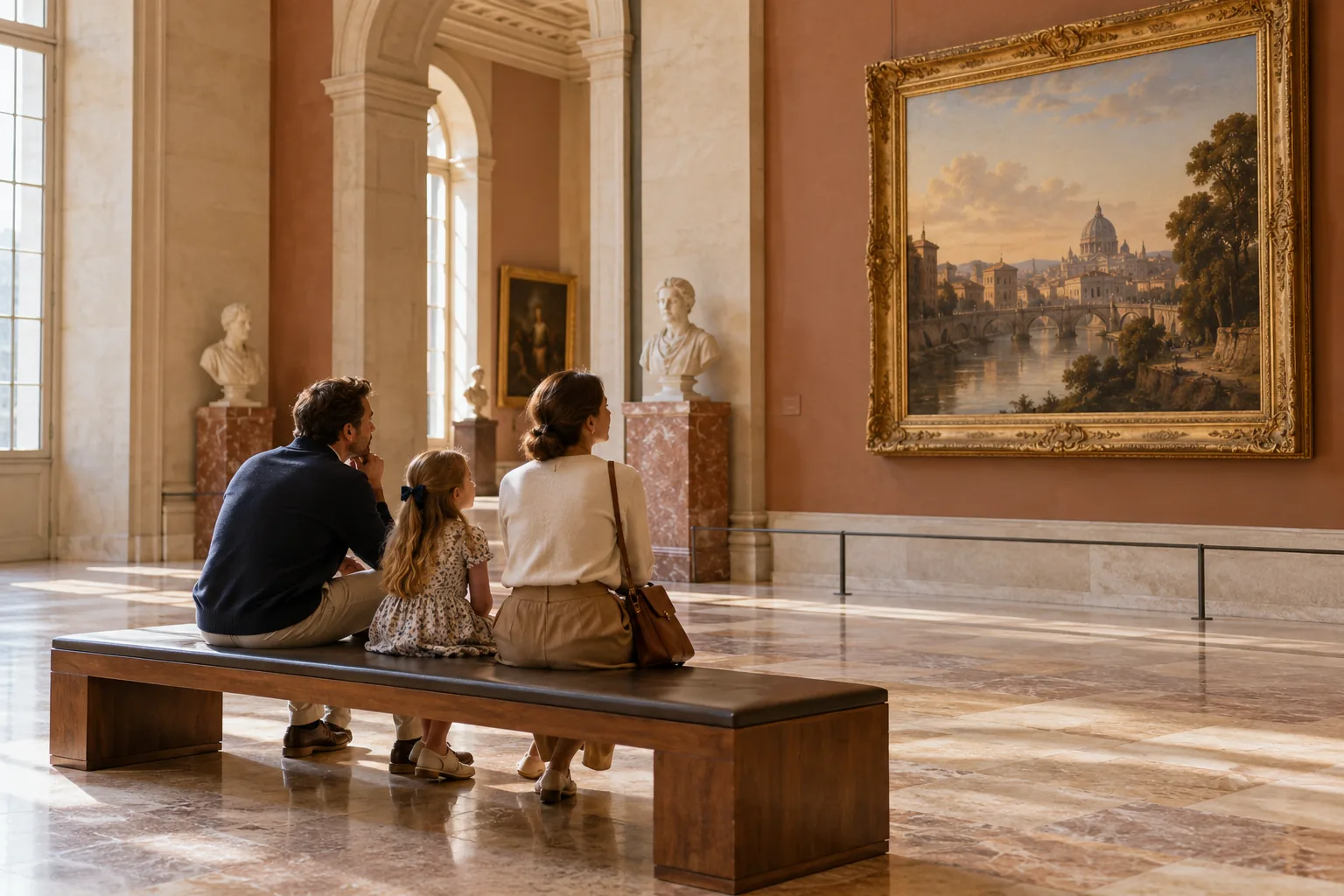
Reduce the decisions before you enter
Choose a reason to visit that your child can understand, such as discovering animals in art or finding objects from everyday Parisian life. Select a small group of rooms or works around that interest, while accepting that the plan may change. You can check the museum's own family resources instead of assembling an ambitious route from unrelated recommendations. Our Paris museum guide offers a broader view when you are deciding which collection deserves a place in the trip.
The Musée d'Orsay offers family activity booklets with different themes, providing an alternative to walking through every gallery in order. Carnavalet also describes family activities and routes that help children approach its collections. Check the current resources and practical information for the museum you select, including any reservation requirements. A family tool is useful when it matches your child's interests, rather than merely adding another thing to finish.
Make looking manageable inside the museum
Spend time on an object that attracts attention instead of moving immediately to the next item on your route. Ask one open question and allow a response that differs from what you hoped to hear. Read enough of the label to help the conversation, without turning every pause into a lecture. Our article on making history fun for kids suggests ways to connect curiosity with the things a family can observe.
Pay attention to the practical strain of the visit as well as the subject matter. A noisy room, a long period of standing, or too many changes of direction may make a child want to leave even while the art remains interesting. Follow museum rules about seating, food, photography, and handling objects rather than improvising activities that disturb other visitors. If another form of discovery would suit your family later, read the Immmersiv format before assuming a character encounter involves less walking or less effort.
For a large museum, identify the exit and the practical facilities before choosing your route. This makes it easier to leave calmly when the agreed visit is complete instead of extending it unintentionally through unfamiliar rooms. Discuss with the adults which interests matter most and which can wait for another opportunity, so the child is not caught between competing plans. A clear route and a shared decision about priorities can remove some of the strain before you ever reach the first artwork.
Give the visit a clear and generous ending
Agree that seeing your chosen selection can count as a complete visit, even if many galleries remain. A planned ending gives the family a decision made in advance instead of a negotiation in every room. Leave the museum with a favorite detail to discuss over a break, rather than with the feeling that you failed to see enough. Our family activity guide can help you follow a collection visit with a different kind of shared discovery.
Use Paris, your playground to consider the geography of the next experience, keeping travel demands realistic. Explore the character themes if you want a later outing to connect with an artistic or historical question from the museum. Confirm the relevant experience's suitability and availability before building it into the day. A change of format should serve the family's interests, rather than become an additional obligation after everyone is already tired.
A good museum day can be short enough to leave your family wanting another look. One carefully observed object may become more memorable than an exhausted tour of an entire building. When you plan around attention and comfort, you give the collection a better chance to become part of the trip's conversation. The rooms you leave for another time can remain an invitation instead of an unfinished assignment.