Marie Antoinette’s Breguet Watch: The Gift the Queen Never Received
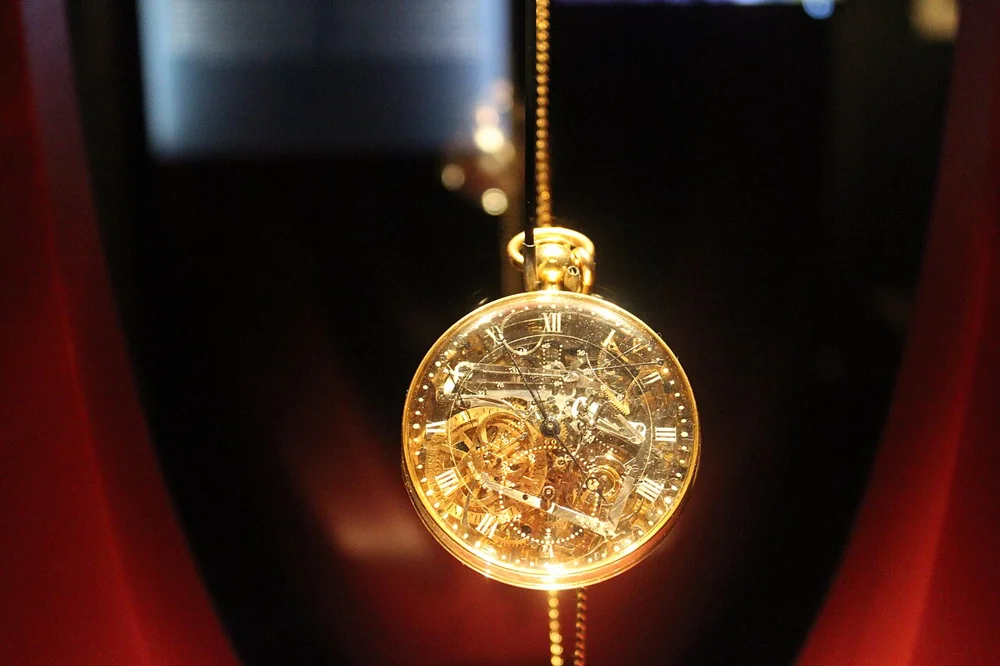
A famous object can carry a person’s name without ever having belonged to that person. Marie Antoinette’s Breguet watch is an especially striking example. The elaborate timepiece known as No. 160 was not a finished treasure that the queen wore at Versailles. Its story asks you to separate the intended recipient, the long work of manufacture, and the much later life of the object itself.
Start with the queen who never saw the finished watch
Breguet’s own historical account dates the completion of No. 160 to 1827, under the direction of Antoine-Louis Breguet. Marie Antoinette had been executed in 1793, and Abraham-Louis Breguet had died in 1823. The finished watch therefore outlived both the woman associated with its name and the watchmaker who began it. Those dates turn a familiar story of royal luxury into a different kind of encounter with time: an object can continue to develop after the world that prompted it has disappeared.
The account of its commission needs a more careful label. Emmanuel Breguet describes an oral tradition, written down only in the late nineteenth century, about an extraordinary order placed around 1783. The identity of the person behind that order remains uncertain. Calling that person a proven lover of the queen would convert an attractive possibility into a historical fact that the evidence does not establish.
What makes a watch complicated?
In watchmaking, a complication is an added function rather than a statement that an object is difficult to understand. The Science Museum explains that No. 160 combines timekeeping with indications including calendar information, temperature, and the state of winding. The watch is also self-winding. Looking at it as a collection of linked tasks makes its ambition easier to grasp than treating every visible wheel as part of an unfathomable golden puzzle.
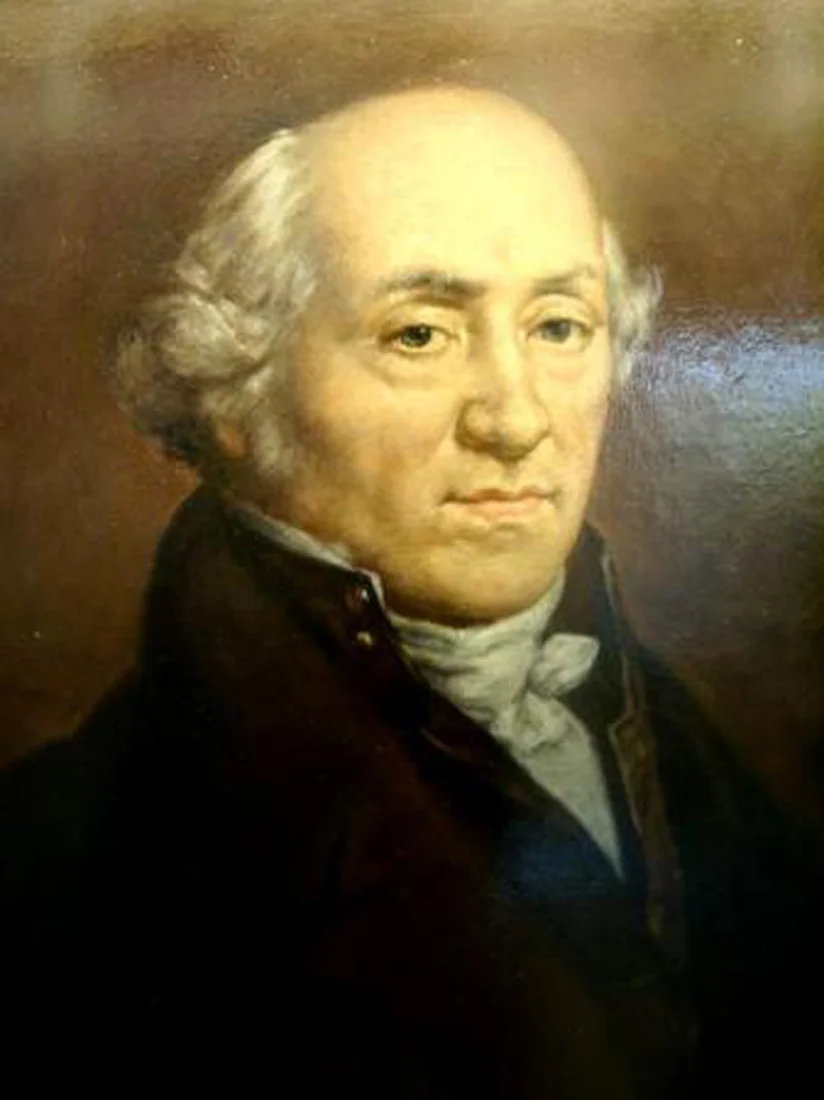
Begin with the photograph’s main circle and follow the smaller indicators within it. The exposed mechanism gives the eye many possible paths, but you do not need to identify every component to appreciate their close arrangement. Compare that density with the painted portrait of Abraham-Louis Breguet reproduced here. One image shows a person associated with the workshop, while the other shows an object whose completion depended on work extending beyond his lifetime.
Keep the original and the modern re-creation apart
The house of Breguet later undertook a new version of the watch, presented in 2008 and numbered 1160. That modern re-creation is a separate object from the historic No. 160. A caption should tell you which one a photograph depicts before a shared name encourages you to merge them. The distinction is particularly helpful when an online search brings together old mechanisms, modern publicity pictures, and museum photographs on the same screen.
Even institutional labels can require comparison. The Science Museum reproduces a catalogue date of 1783–1820 for the historic watch, while Breguet’s workshop history gives 1827 as completion. Rather than concealing that difference, read the dates alongside the institution and account using them. Neither dating convention changes the central point that the queen never received the completed object, and neither licenses a claim that the watch was among her possessions at Versailles.
Bring the question back to royal life
A named object is only one way to look beyond a queen’s familiar silhouette. You can compare it with Marie Antoinette’s family portrait, her theater at Trianon, and the working farm at the Hameau. Each subject puts a different kind of evidence in front of you. The Versailles landmark guide provides a place-based starting point without implying that this watch is part of a palace visit.
The published Marie Antoinette, Rebel Queen experience offers a character-led introduction to her world. Read what to expect for the actual format before making plans. This background story does not promise a watch display, museum admission, or a stop beyond the published route. Its useful question travels with you: does an object’s name describe ownership, intention, commemoration, or a story told afterward?
Discover an Immmersiv Experience
Explore Marie Antoinette, Rebel Queen with a professional actor embodying Marie Antoinette. This article provides background for your curiosity. It does not promise stops or access beyond the published experience route. Consult the current experience page for its route and practical details.