THE LANDMARK
A place with a story.
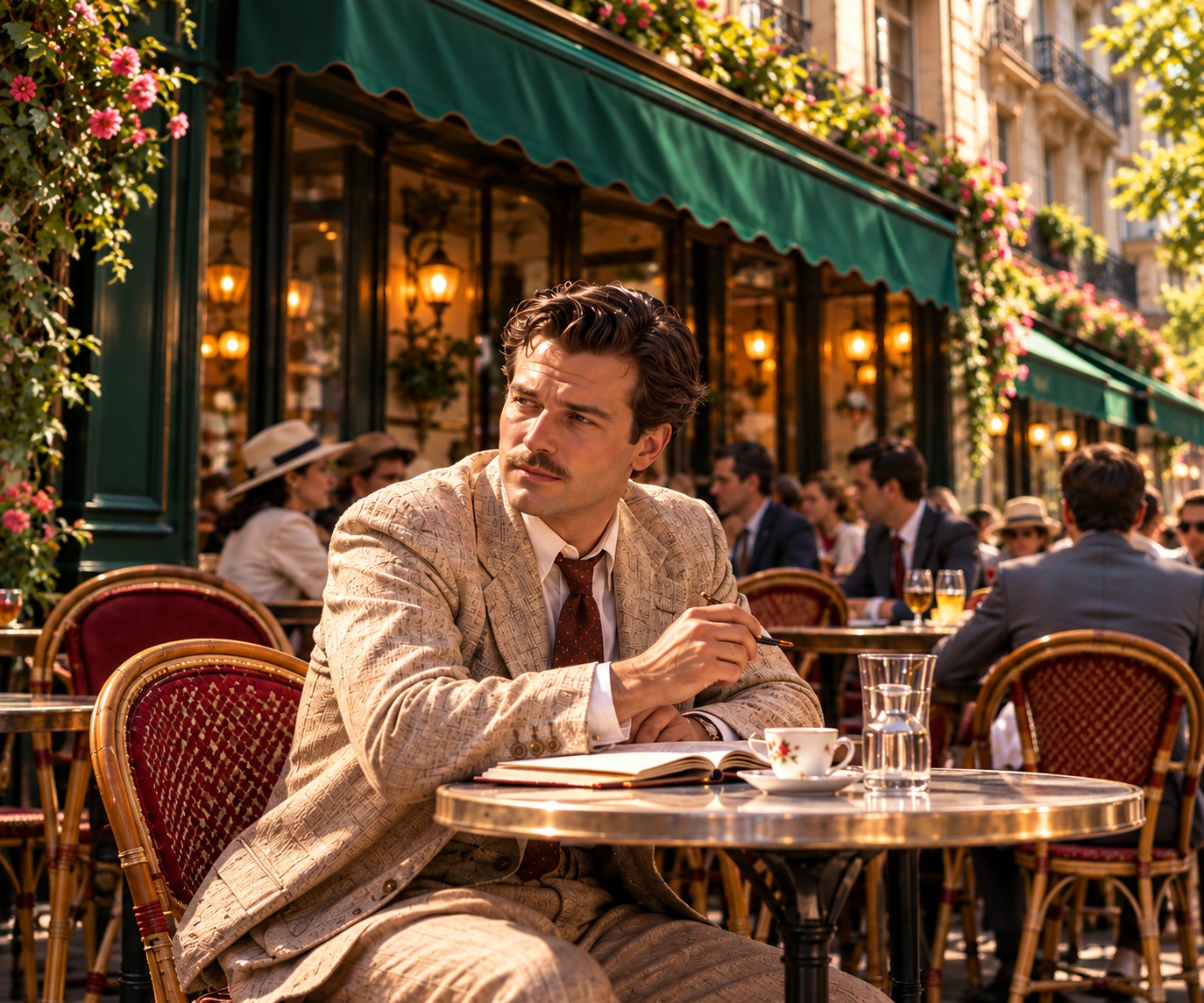
Montparnasse and the Luxembourg Gardens reveal two complementary faces of the Left Bank. Around Montparnasse, major streets and café terraces evoke a neighborhood shaped by conversation, travel, and creative work. Toward Luxembourg, the pace becomes more measured, with tree-lined walks, open spaces, and the palace forming a composed setting in the middle of the city.
In the early twentieth century, Montparnasse became an important gathering place for international artists and writers. Cafés and studios supported a remarkable exchange of ideas, bringing together people from different countries and artistic traditions. The neighborhood’s significance lies partly in these encounters: modern culture developed through friendships, arguments, and experiments as much as through solitary inspiration.
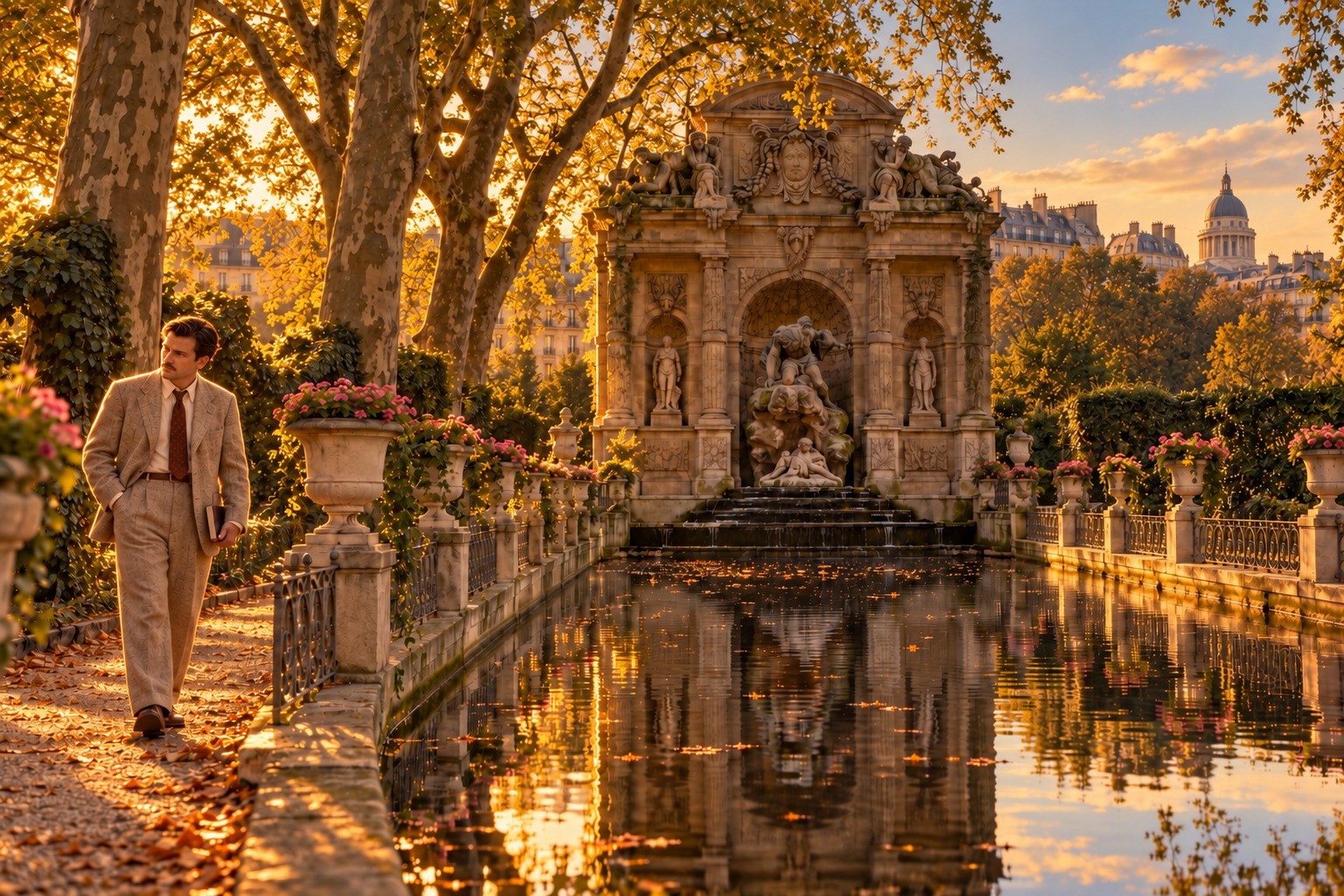
The Luxembourg Gardens began in 1612 under Marie de’ Medici. Their palace, formal layout, and Medici Fountain introduce an older chapter of Parisian history, while the paths and chairs make the gardens part of daily Left Bank life. Here, monumental architecture and ordinary leisure share the same space, offering a contrast to the bustle of the surrounding streets.
Walking between these settings helps bring Hemingway’s Paris into perspective. Notice where the city encourages people to linger, how a terrace faces the street, and how a garden path creates room for observation. The landmarks offer more than a list of famous addresses. Together, they suggest a way of living in Paris: looking closely, moving on foot, and finding material for a story in the details of everyday surroundings.