Hemingway’s Lost Suitcase: The Manuscripts That Vanished in Paris
A suitcase of paper can contain something no replacement ticket or new set of clothes will restore. In December 1922, a bag carrying much of Ernest Hemingway’s early fiction disappeared at the Gare de Lyon. The young writer was not yet the author whose novels would become so familiar. Hemingway’s lost suitcase brings us back to a Paris chapter in which a future reputation depended on pages that could still be carried away.
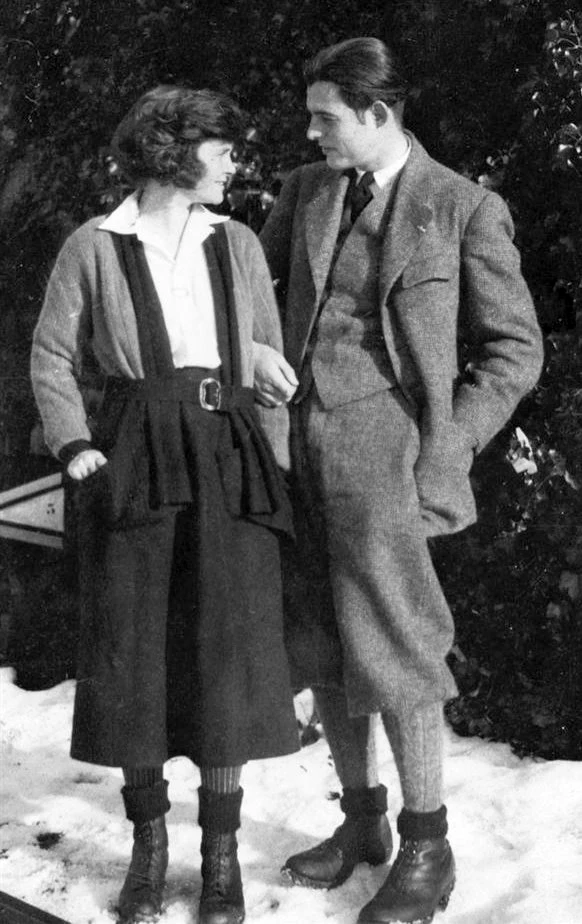
Hadley was traveling from Paris to Switzerland
Hemingway was in Switzerland covering the Lausanne Peace Conference when his wife, Hadley, prepared to join him. She brought manuscripts from their home in Paris, including carbon copies of the work. The bag was stolen at the Gare de Lyon before she could deliver it to him. That combination of originals and copies explains why the incident involved more than the loss of a single working draft.
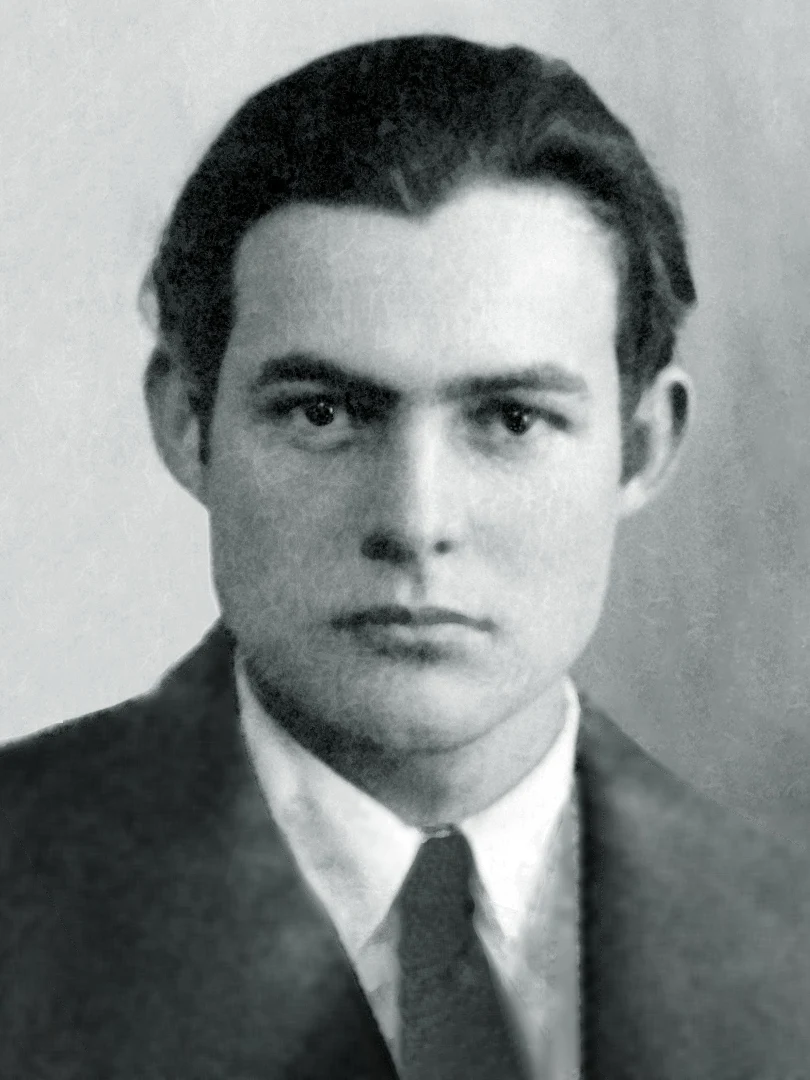
The event belongs to the years when journalism and fiction occupied different parts of Hemingway’s working life. The National Archives describes him living in Paris while reporting for the Toronto Star and developing as a novelist. A passport photograph from 1923 gives a contemporary face to this early period. For a broader setting, read Hemingway’s Paris beyond the famous cafés before returning to the particular story of the missing pages.
A letter records the loss close to the event
On January 23, 1923, Hemingway wrote to Ezra Pound about the disappearance of his early work. Cambridge University Press reproduces part of that letter in its account of the episode. His description conveys the scale of the labor he felt he had lost and his unwillingness to treat the setback lightly. A letter written so soon afterward offers a different kind of evidence from a polished account composed many years later.
The letter also places the incident within a relationship between writers. Pound was someone to whom Hemingway could describe both the practical loss and his response to it. Such exchanges make literary history more personal than a list of publication dates alone. Our account of Shakespeare and Company’s two different histories offers another perspective on the people and institutions connecting English-language writers with Paris.
Two stories survived, and new writing followed
The Library of America identifies My Old Man and Up in Michigan as two surviving manuscripts that had been elsewhere. It is therefore misleading to say that every piece of Hemingway’s fiction disappeared in the suitcase. In April 1923, he completed Out of Season while staying in Cortina d’Ampezzo. That story appeared with the two survivors in his first book, Three Stories and Ten Poems, published that summer.
Those titles give the episode a chronology beyond the moment of loss. The surviving stories and subsequent writing show a career continuing through work, rather than ending at a railway station. They do not allow us to reconstruct the vanished drafts or prove what their completed versions might have become. Keeping that limit in view leaves room for the real achievement of the new stories without inventing a perfect lost book.
A station story became part of literary memory
Hemingway returned to the incident decades later in A Moveable Feast. Read that later recollection alongside the January letter, noticing the different distance each has from 1922. Memory, selection, and the shape of a finished narrative matter when a writer tells the story of his own life. The wider history of Americans drawn to Paris becomes more interesting when famous names are connected with such specific, sometimes precarious moments.
An Immmersiv encounter begins from the published route of Explore Hemingway’s Paris, rather than a promise to visit every place mentioned in his biography. Consult the guide to the actor-led format for how that historical storytelling works. Our Montparnasse introduction provides a separate starting point for the neighborhood associated with the experience. Let the lost suitcase sharpen your curiosity about the pages that did survive, and the ordinary work behind a literary life.
Discover an Immmersiv Experience
Explore Explore Hemingway’s Paris with a professional actor embodying Ernest Hemingway. This article provides background for your curiosity. It does not promise stops or access beyond the published experience route. Consult the current experience page for its route and practical details.