Edgar Allan Poe and Baudelaire: How a Translator Opened a French Door
Pick up a French volume of Poe’s stories and another famous name may be waiting on its title page. Charles Baudelaire stands beside the American author as his translator, a presence that changes the story of how those tales reached their readers. Edgar Allan Poe and Baudelaire are connected through an act of reading and rewriting across languages. For a traveler interested in literary Paris, that relationship opens a door beyond the familiar hunt for a writer’s house or favorite table.
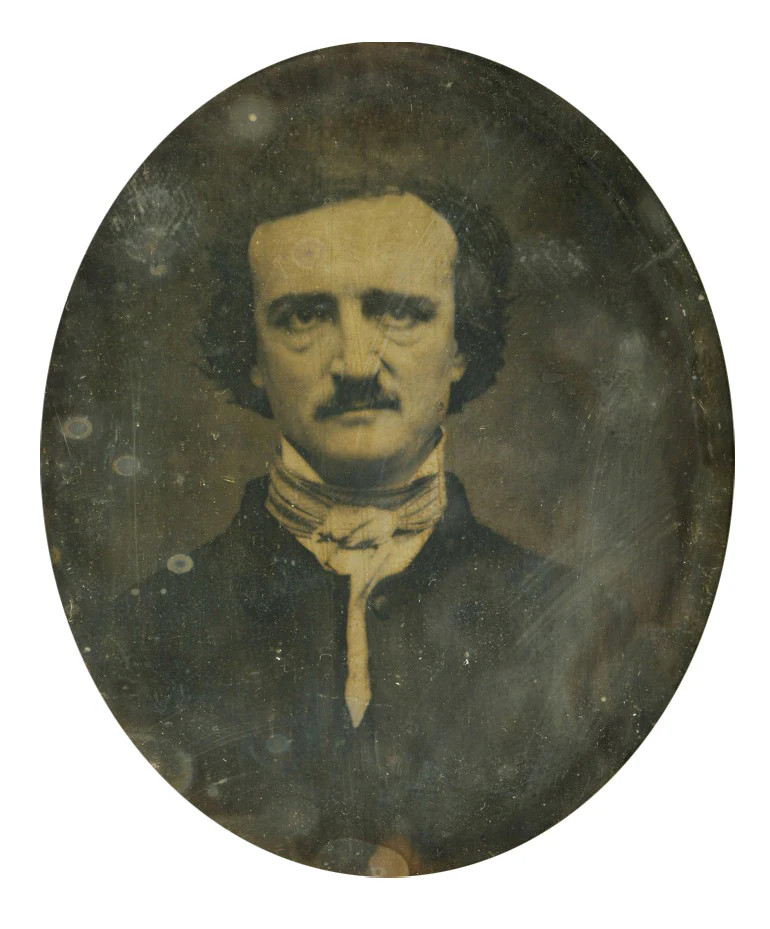
Begin with two names on a title page
The Bibliothèque nationale de France catalogues an 1856 Paris edition of Histoires extraordinaires published by Michel Lévy. It names Poe as the author and Baudelaire as the translator. Those separate credits are a useful starting point because they identify two different contributions to the book in your hands. The English-language stories and their French wording belong to a connected history, while authorship and translation remain distinct kinds of work.
A title page can make a literary city visible without requiring a famous doorstep. Notice the publisher’s city, the publication date, and the name placed after the word translation. Each offers a different clue to the journey a book has made. The role of an intermediary also appears in the two histories of Shakespeare and Company, where booksellers and a publisher helped connect writing with new readers.
The translations reached readers before the collected volumes
The BnF dates Baudelaire’s first published translation of a Poe text to July 15, 1848, in the journal La Liberté de penser. More translations followed in periodicals before the collected volumes became the familiar landmark. Histoires extraordinaires appeared in 1856, followed by Nouvelles histoires extraordinaires in 1857. The sequence suggests a relationship developed through repeated work rather than a single moment when one finished book crossed a border.
The BnF’s account also describes Baudelaire’s intense identification with Poe and his attention to the construction of the tales. Translation here was bound up with an active literary judgment about what made the American writer worth reading. An 1884 essay, preserved by the Edgar Allan Poe Society of Baltimore under the title Poe in Paris, shows a later commentator discussing that French reception. Read such commentary as evidence of how a reputation was being presented at a particular time, rather than a final verdict shared by every reader.
A literary connection is not a residence
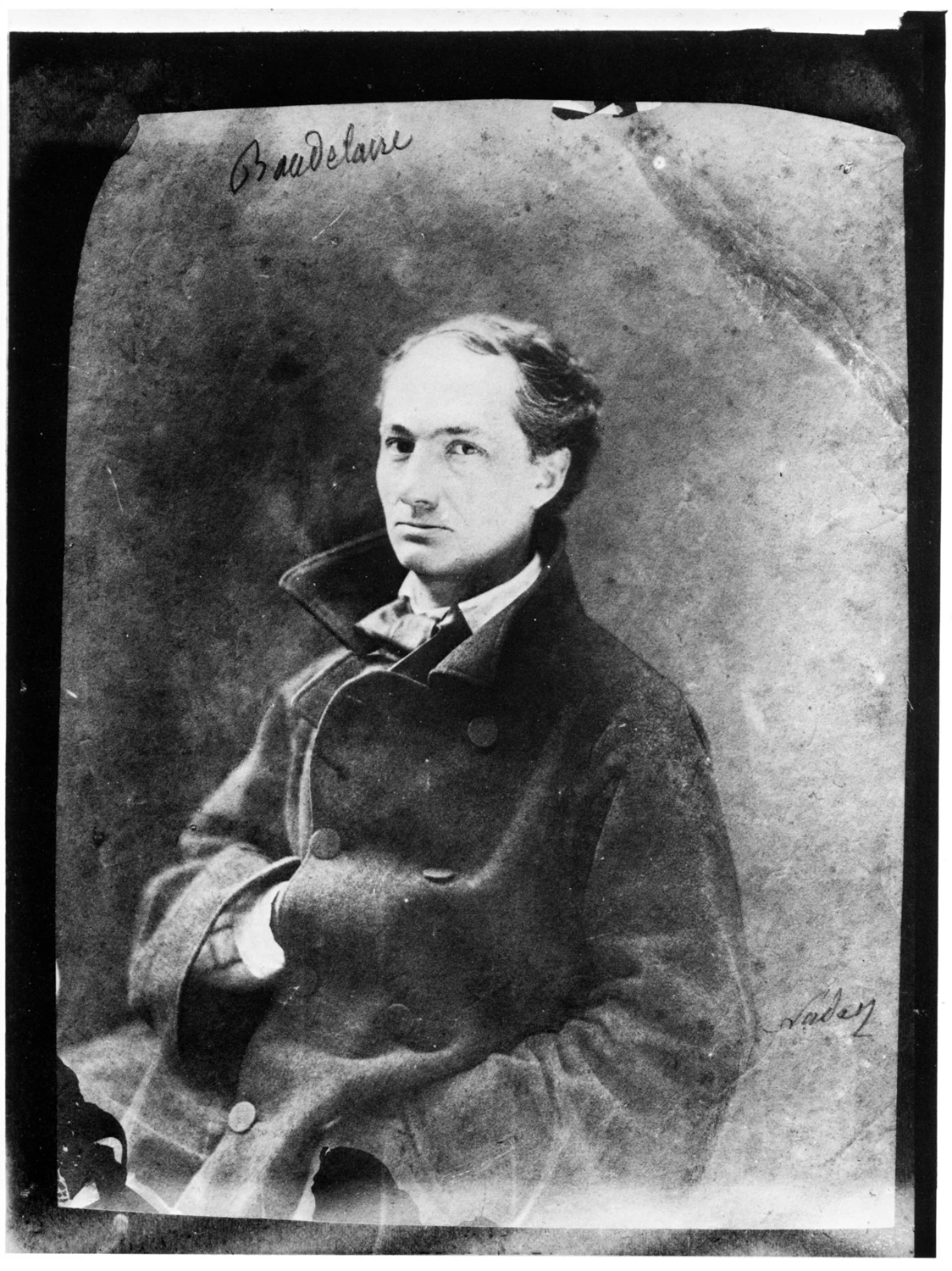
Poe’s presence in a Parisian book or a French reader’s imagination does not establish a Paris home. Keep the documented translation and publication history separate from claims about the author’s movements. A street that suits the mood of a tale is not automatically an address from the writer’s life. Compare that distinction with Victor Hugo’s relationship with Paris, where a different biography supports a different way of connecting a writer and a city.
The same care helps when literature meets an old neighborhood. A narrow passage or a shadowed doorway may suggest a mystery, but atmosphere cannot verify an event. You can enjoy the imaginative association while still asking whether you are hearing fiction, a legend, or a documented account. Our guide to Paris legends and the difference between story and fact offers a useful companion to that kind of attentive wandering.
Listen for the voice between the languages
If you read French, compare a short passage with its English original and notice where your sense of pace changes. If you do not, begin by noticing that the translator’s name is part of the book’s history rather than an incidental credit. Neither exercise requires you to decide that one language makes the story better. It simply brings another person’s choices into the way you hear an author whose voice may have seemed instantly familiar.
Immmersiv’s The Dark Legends of Paris uses a professionally performed Poe character to introduce stories in the Île de la Cité setting. That theatrical presence is an interpretation, not evidence that Poe lived on the island or personally witnessed its legends. Read what to expect from the theatrical format before planning the encounter. Baudelaire’s work can give you one more question to bring: how does a story change when another voice becomes the person who carries it to you?
Discover an Immmersiv Experience
Explore The Dark Legends of Paris with a professional actor embodying Edgar Allan Poe. This article provides background for your curiosity. It does not promise stops or access beyond the published experience route. Consult the current experience page for its route and practical details.