How to Plan Two Days of Immersive Paris
A two-day immersive Paris framework pairing contrasting stories, compact neighborhoods, and enough unscheduled time to keep the city alive. The Pass works through private encounters and a shared itinerary, so the quality of the plan matters more than the number of reservations. Current conditions, availability, language, routes, and prices must always be reconfirmed before purchase. The approach below is designed to help travelers make those choices with confidence.

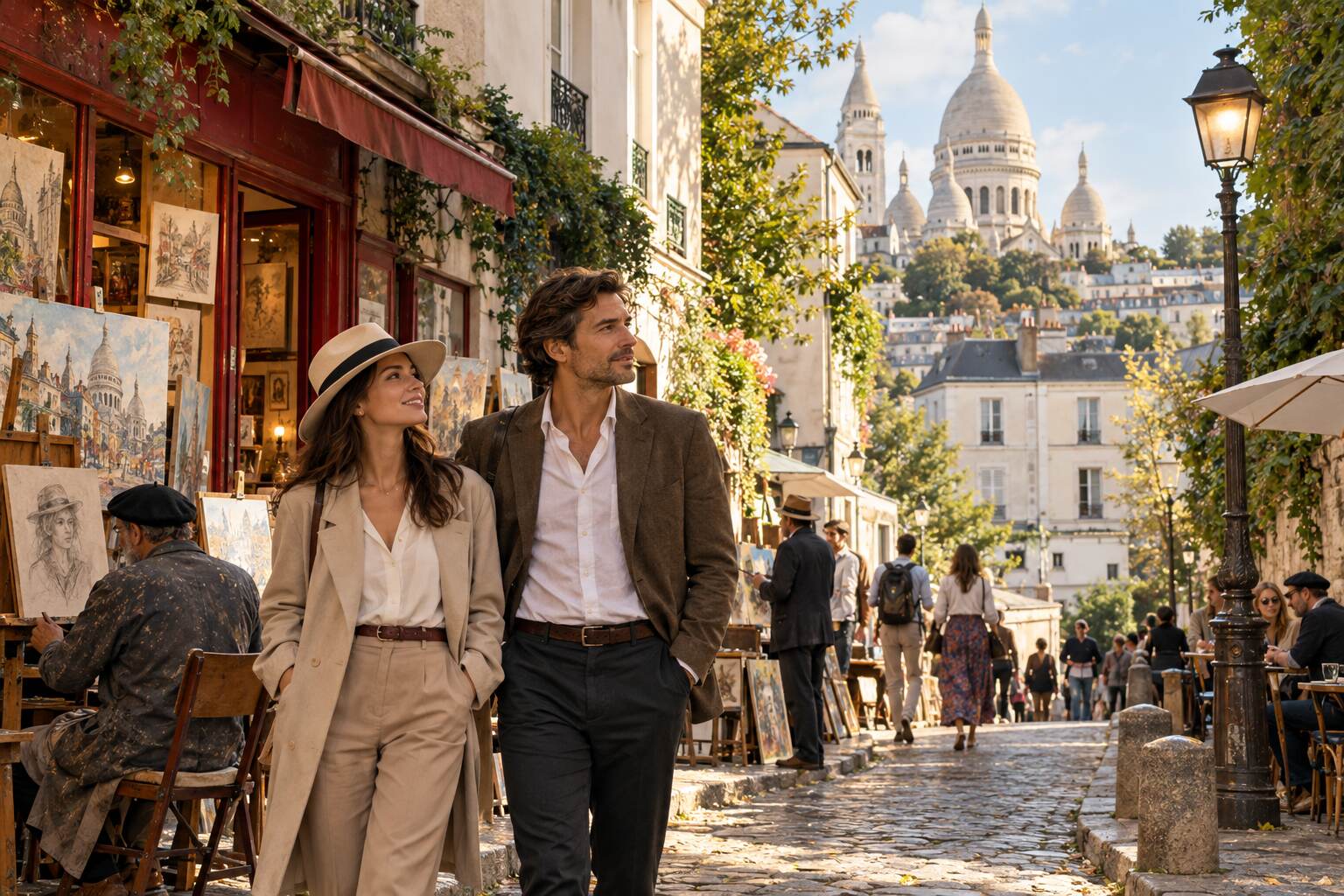
Give each day a distinct question
Two days become more memorable when they do not repeat the same period, neighborhood, or emotional tone. One day might ask how artists build a community, while the next examines how power builds a public image. A question creates continuity between the live encounter and everything seen independently around it. It also gives companions a simple way to compare what each day revealed.
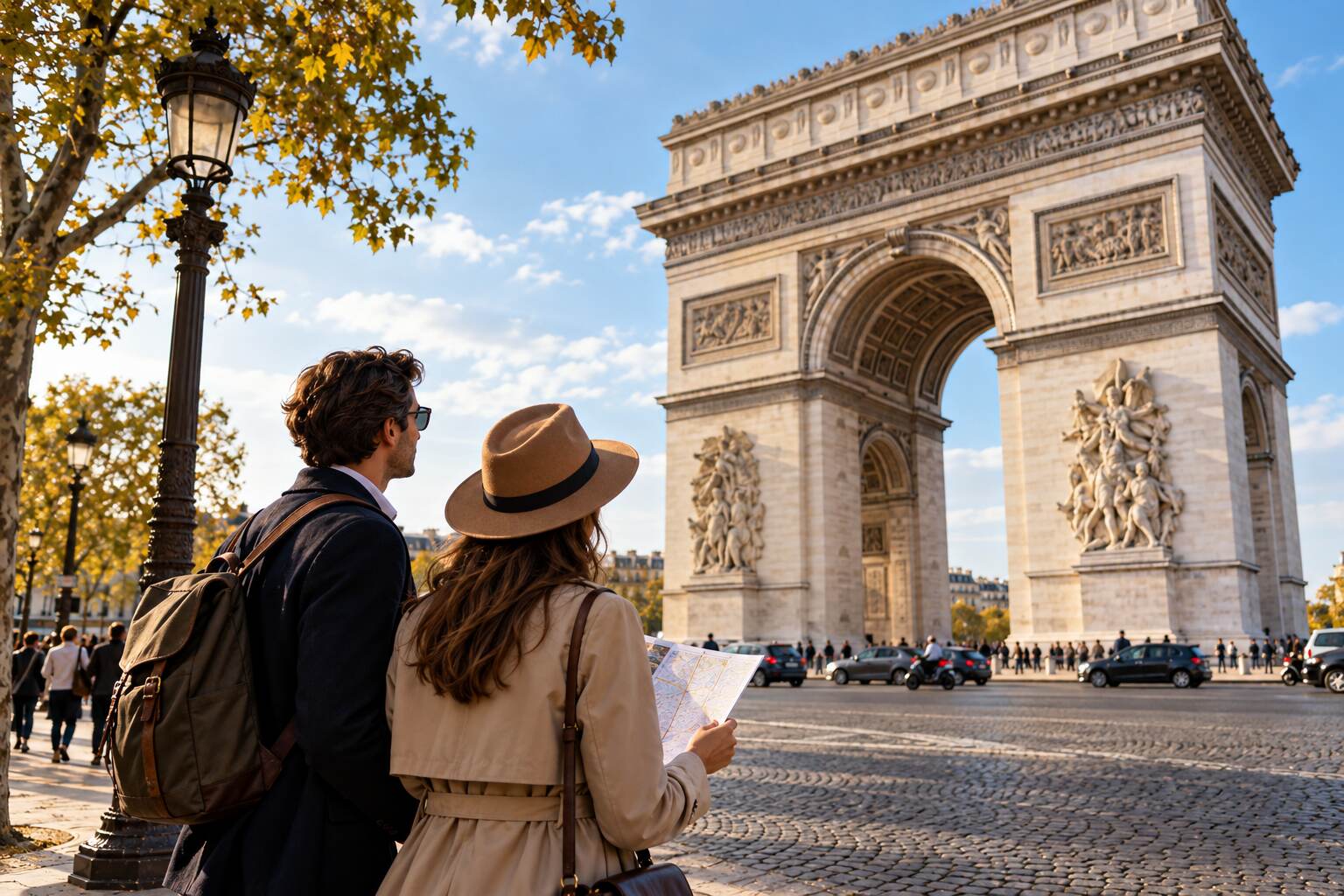
Day one: learn how the format feels
Use the first morning for an encounter in a compact, walkable district, followed by lunch and one nearby cultural stop. Avoid planning the most logistically demanding excursion before the group understands the pace and participatory nature of the experience. Let the afternoon remain adjustable so travelers can follow an unexpected place or recover from travel fatigue. End by deciding whether day two should become fuller or lighter.
Day two: create contrast without distance
Choose a second character who changes the lens, then organize the route around that confirmed meeting point. Contrast can come from period, social position, artistic discipline, or moral tension; it does not require crossing the entire region. If the itinerary includes Versailles, Giverny, Auvers-sur-Oise, or Fontainebleau, treat the excursion as the day’s principal structure. Calculate door-to-door transport and seasonal conditions before adding anything else.
Connect the days through conversation
Ask every traveler to identify one detail that changed their image of Paris and one question that remains unresolved. Use those answers to choose a small museum, street, or viewpoint that closes the loop without pretending to settle history. A professional actor embodying a character offers an interpretive encounter, while institutional collections and documented sites provide different forms of evidence. The itinerary is strongest when those forms speak to one another rather than compete.
The night between the two days is a useful editorial pause rather than dead time. Review photographs, mark the route already covered, and let each traveler name the moment that deserves a second look. Use those reactions to refine the next day’s independent stops while preserving any confirmed encounter. This small adjustment turns the itinerary into a responsive journey instead of a document followed blindly.
Two days of immersive Paris need contrast, geography, and restraint more than a long list of reservations. Give each day a question, use the first to establish the rhythm, and let the second deepen or challenge what the group has already heard. Verify current Pass rules, availability, routes, language, and access before confirming. The result should feel like one evolving conversation with Paris, not two unrelated packages placed side by side.
For the practical part of this outing, consult Paris, your playground to locate Immmersiv experiences. Browse the personalities according to the subject that interests you. Read what to expect alongside the individual experience description before booking. Confirm current language, suitability, walking requirements, access needs, and availability for your own group.
Two days can give the encounters different cultural purposes instead of making the second a repeat of the first. You might choose one subject for a focused investigation and another for a contrasting personality or setting, provided the current offer and conditions support the combination. Check availability, language, suitability, route, access, walking, and standing demands before fixing the sequence. Then place meals and practical transfers around the principal bookings, with secondary sightseeing left flexible. A pause at the end of the first day can help the group compare what interested them and decide what question to carry into the next. Keep any independent admission or transport requirement separate unless the current product terms state otherwise. The two-day plan becomes richer through those connections, rather than only through the number of experiences arranged.
Continue the story with Immmersiv
The Impressionists of Montmartre features a professional actor embodying Père Tanguy, while Napoleon and the Arc de Triomphe features a professional actor embodying Napoleon Bonaparte. These examples can anchor the itinerary when current availability, language, route, duration, and practical conditions are confirmed directly. Each encounter is a researched performance rather than a claim that the historical person has literally returned. Review the current experience page and obtain confirmation before building it into a fixed day.