Paris for Repeat Visitors: What to Do When You’ve Seen the Classics
A return to Paris changes the question. You no longer need to prove that you have seen the Louvre, the Eiffel Tower, or Notre-Dame, and you can stop organizing every day around famous names. The richest second or third visit often begins with one curiosity rather than a checklist. Paris becomes more surprising when you trade completion for attention.
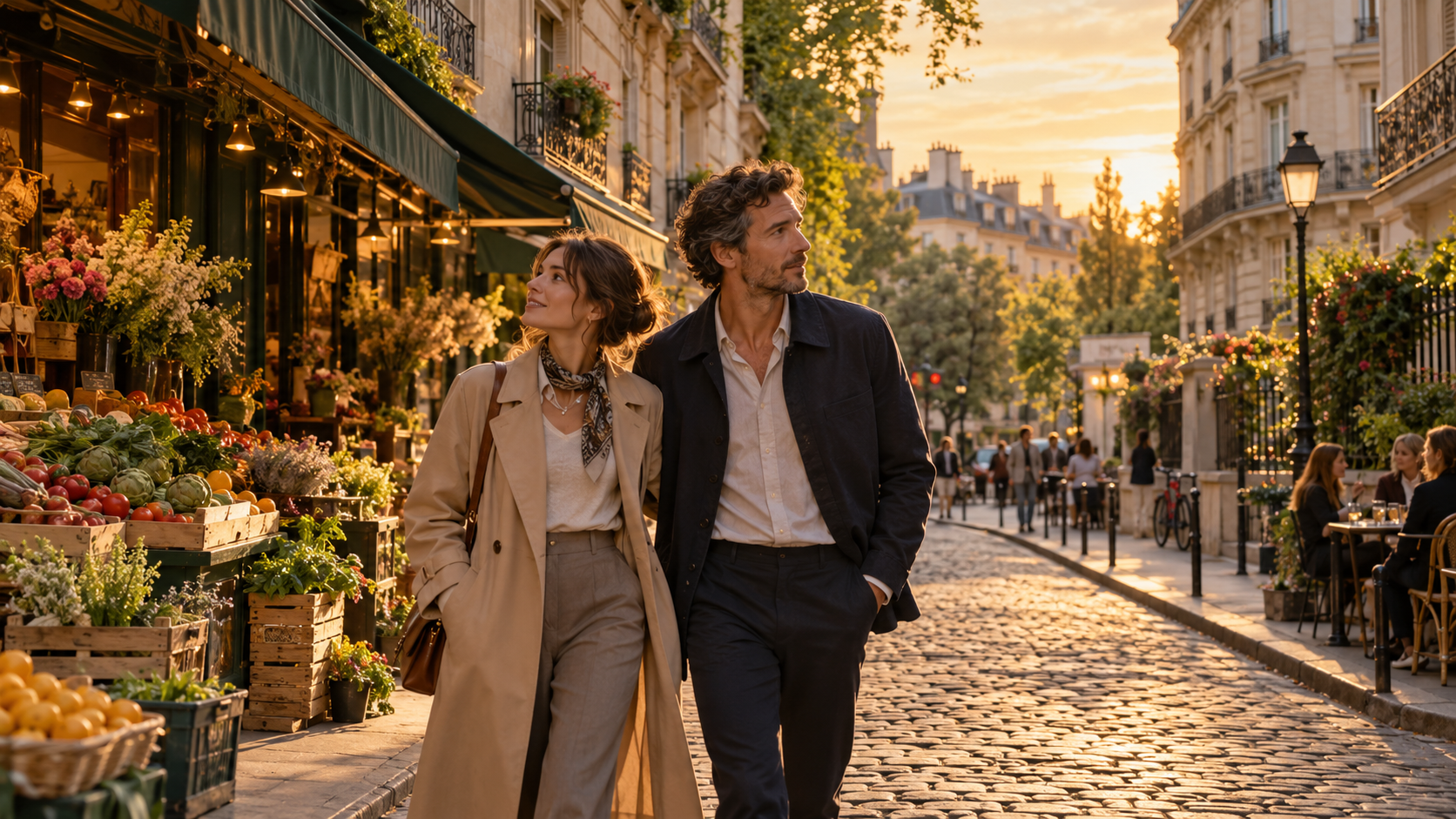
Build each day around a question, not a landmark
Begin with a question that your first trip left unanswered. You might ask how Paris became a modern city, how artists found patrons, or how fashion reshaped the social meaning of a neighborhood. A question gives smaller museums, streets, and archives a role in the same story. It also prevents the return visit from becoming a weaker replay of the first one.
Choose collections that reward concentration
Paris has municipal and specialist museums where a focused hour can reveal more than another rushed afternoon in a vast collection. Musée Carnavalet can frame the city’s transformations, while artist studios and house museums make biography spatial and tangible. Verify opening days and temporary closures directly, because smaller institutions often keep different schedules from the major museums. Choose one or two objects to remember rather than trying to consume every room.
Read the city between official attractions
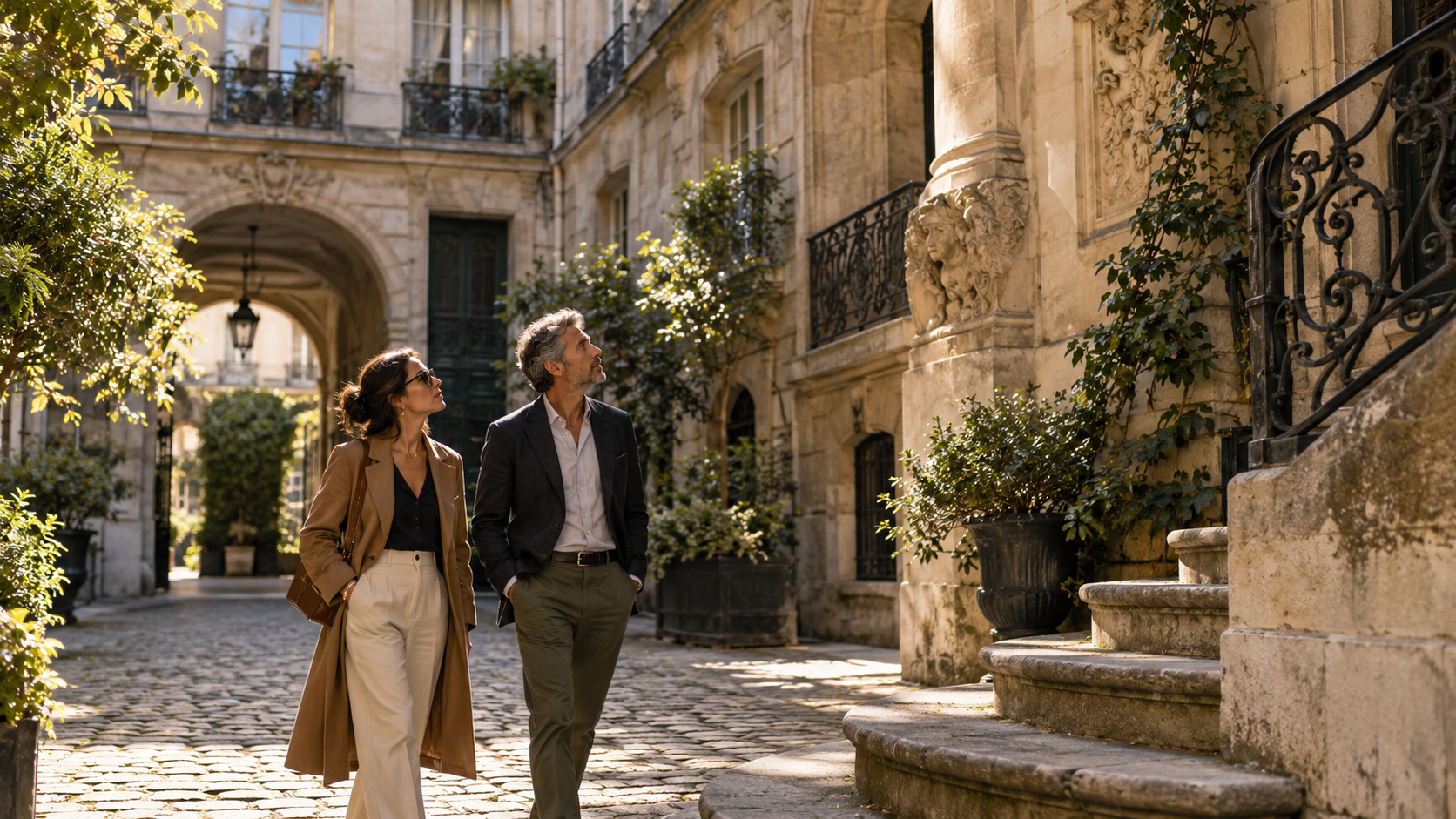
A courtyard, a surviving wall fragment, a street name, or the alignment of an avenue can become evidence once you know what to notice. Walk slowly through one district and compare present-day space with a reliable historical map or museum interpretation. Respect private property and avoid treating residents’ entrances as secret attractions. Discovery feels deeper when it comes from context rather than intrusion.
Add a human voice to a familiar district
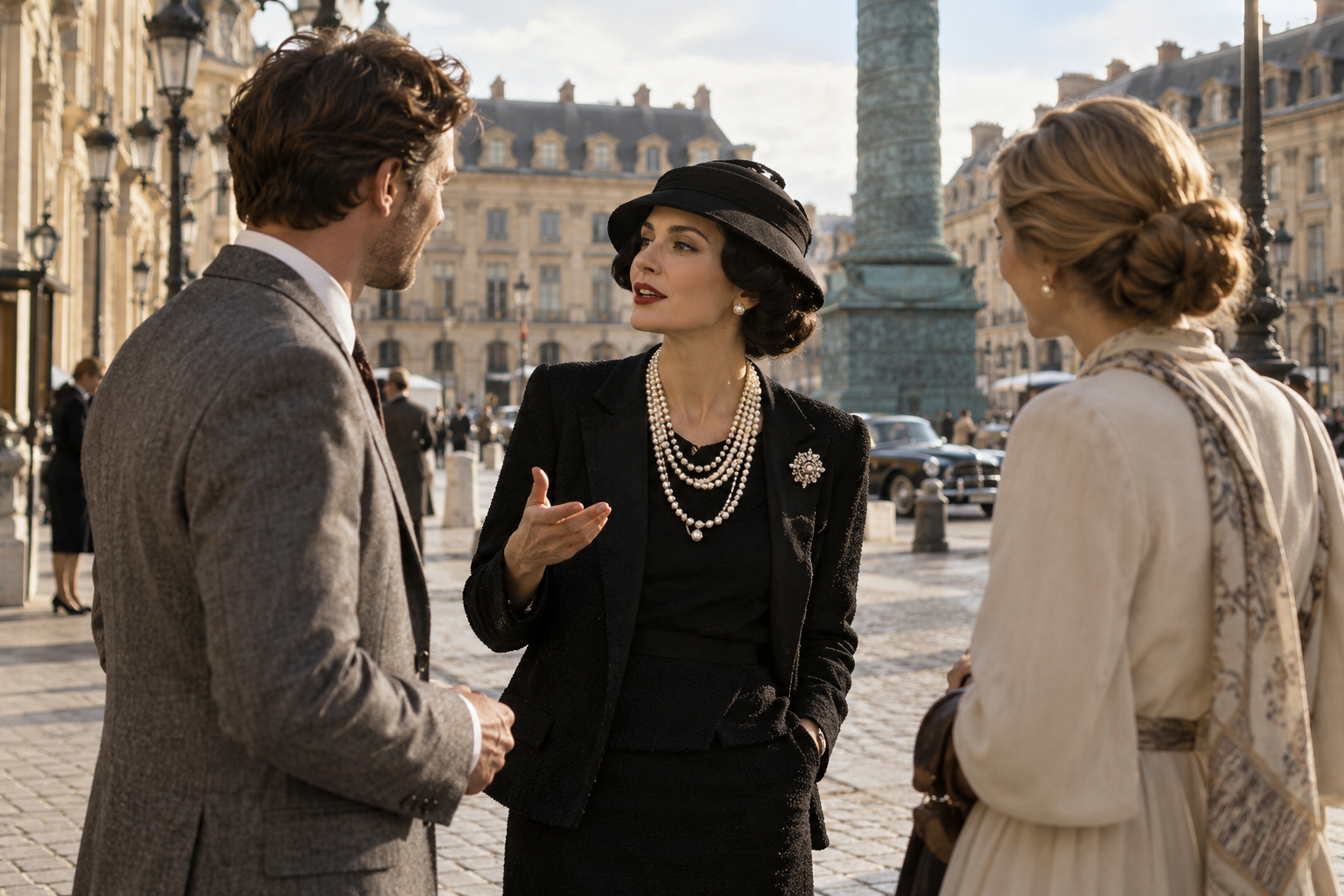
A character-led encounter can make a place you already know feel newly legible. Near Place Vendôme, a professional actor embodying Coco Chanel can connect architecture, fashion, ambition, and the contradictions of a twentieth-century life without pretending that interpretation replaces evidence. The value lies in a structured point of view and a live exchange, not in claiming supernatural access to the past. Pair the encounter with time to observe the district before and after the story.
On a repeat visit, leave at least one half-day unassigned. Use it to follow a reference discovered in a museum, return to a street in different light, or sit with a question that deserves more than a quick answer. The goal is not to find a Paris that nobody else knows, because such claims are usually marketing fiction. It is to know a small part of Paris more carefully than you did before.
A return visit also lets you compare the city with your own earlier expectations. Choose a place you remember clearly and describe the detail that originally held your attention, then look at it again with a different historical question. The comparison should remain personal, because a memory of a visit is not evidence that the setting has preserved every feature of the past. If a new object, street detail, or conversation challenges that memory, give it time instead of rushing toward another discovery. A quieter meal afterward can help you identify what changed in your understanding and what deserves further reading. This makes a repeat journey a fresh cultural investigation rather than an attempt to recover an identical day.
The second visit can also become a conversation with the first. Describe one thing you remember from an earlier outing and compare it with the detail you notice now. The difference may reflect a change in your interests rather than a change in the building or collection itself. Let that new response guide a modest question instead of trying to recover an identical experience. You can ask a companion what they noticed first and allow their perspective to challenge your own. Save any unresolved historical association for reliable reading, keeping a personal memory distinct from evidence about the past. This small practice gives a return to Paris depth without requiring an ever more obscure list of places to visit.
Continue the story with Immmersiv
For a return visit shaped by fashion and urban history, The Chanel Mystery in Paris features a professional actor embodying Coco Chanel near Place Vendôme. For literary travelers, Explore Hemingway’s Paris features a professional actor embodying Ernest Hemingway in Montparnasse. Both work best as anchors within a geographically coherent half-day. Confirm date, language, meeting point, and current practical details before planning.