Paris Immersive Pass for Repeat Visitors
A repeat-visitor approach built around overlooked characters, familiar places seen differently, and deeper thematic connections. The Pass works through private encounters and a shared itinerary, so the quality of the plan matters more than the number of reservations. Current conditions, availability, language, routes, and prices must always be reconfirmed before purchase. The approach below is designed to help travelers make those choices with confidence.


Return to a place through another person
Repeat visitors often know the outline of Paris but not the competing lives hidden inside it. A neighborhood already visited for architecture may feel different when approached through a painter, writer, entrepreneur, revolutionary, or performer. The value lies less in discovering a secret address than in recognizing a second interpretation of a familiar one. A character becomes a lens that rearranges what the traveler thought was settled.
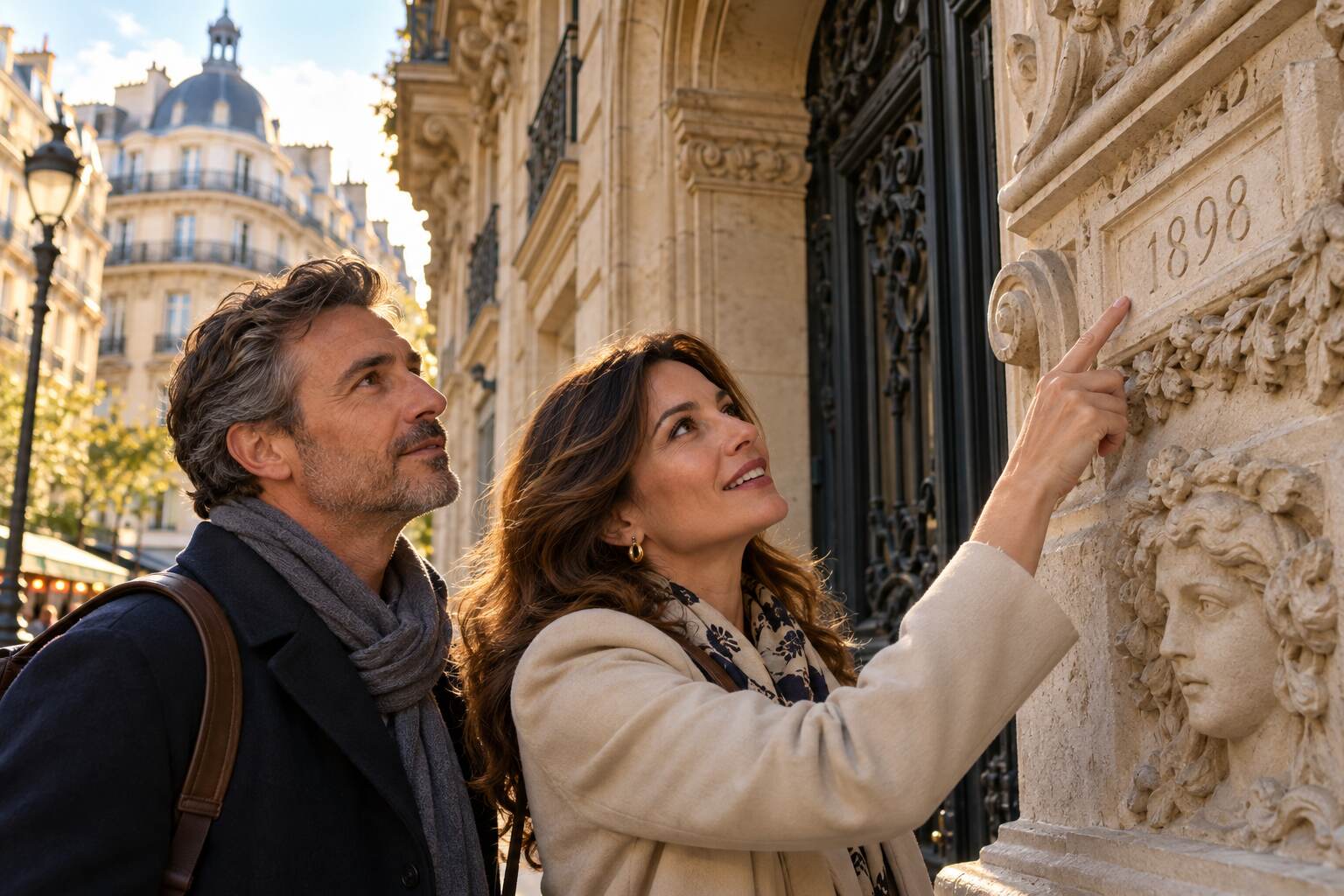
Choose depth over novelty claims
Paris marketing often promises places that no tourist has seen, even when the location appears in every guidebook. Repeat travelers are usually better served by intellectual novelty: a sharper question, a contested memory, or an overlooked connection. A professional actor embodying a historical figure can open that perspective without pretending that performance is primary evidence. The encounter should encourage travelers to compare the narrative with what they already know.
Build a theme across two or four days
A Pass can connect several experiences through themes such as artistic patronage, public image, exile, political power, or the invention of modern celebrity. That continuity is particularly valuable for travelers who no longer need a checklist of monuments. Keep the theme flexible enough to allow contrasting characters and periods rather than repeating the same emotional note. Add museums and independent walks only when they deepen the question, not because every open hour must be filled.
Let Paris interrupt the plan
Knowledge of the city makes repeat visitors more capable of improvisation, and the itinerary should preserve that advantage. Leave time to revisit a favorite café, follow a street discovered during an encounter, or return to a collection with a new question. Confirm the shared Pass itinerary and one-visit-per-experience rule, then avoid treating those conditions as a demand for maximum consumption. A return trip becomes memorable when structure creates freedom rather than crowding it out.
Repeat visitors should also resist the temptation to measure value only by the number of places that are new to them. A familiar square can become intellectually new when its monuments are read against a character’s ambitions, exclusions, or changing reputation. Bring earlier memories into the conversation and note where the live narrative confirms or challenges them. The return visit gains depth when personal history and documented history are allowed to meet without being confused.
For repeat visitors, the Paris Immersive Pass is not simply a way to add attractions after the classics are complete. It can turn accumulated familiarity into the beginning of a deeper conversation about who shaped the city and whose stories remain visible. Select a theme, welcome contradictions, and leave enough time to follow unexpected connections. Paris rewards return precisely because no single itinerary can finish explaining it.
A return visitor can evaluate the Pass through the questions a previous trip left open. Choose personalities and settings that offer another perspective on a place you already know, then review their current descriptions and availability. Do not expect a theatrical encounter to reproduce the memory of an earlier visit or reveal a hidden city that nobody else has seen. Its value may lie in helping you notice one familiar detail differently. Check the practical routes and current product terms before organizing several encounters into the stay. Keep time between them to compare impressions with reliable context and your own earlier expectations. The decision then rests on whether the offer deepens this return journey, rather than whether it simply adds more activities to places already visited.
Continue the story with Immmersiv
The Impressionists of Montmartre features a professional actor embodying Père Tanguy, while Joséphine Baker’s Paris features a professional actor embodying Joséphine Baker. These examples can anchor the itinerary when current availability, language, route, duration, and practical conditions are confirmed directly. Each encounter is a researched performance rather than a claim that the historical person has literally returned. Review the current experience page and obtain confirmation before building it into a fixed day.