10 Hidden Historical Places in Paris Most Tourists Walk Past
Hidden Paris is rarely behind a locked door. More often, history is visible but unread: a section of wall, a change in street level, a plaque above eye height, or a courtyard seen from a legitimate public passage. These ten places reward observation rather than trespass. They also show why “hidden” should mean overlooked, not secret access to somebody else’s home.
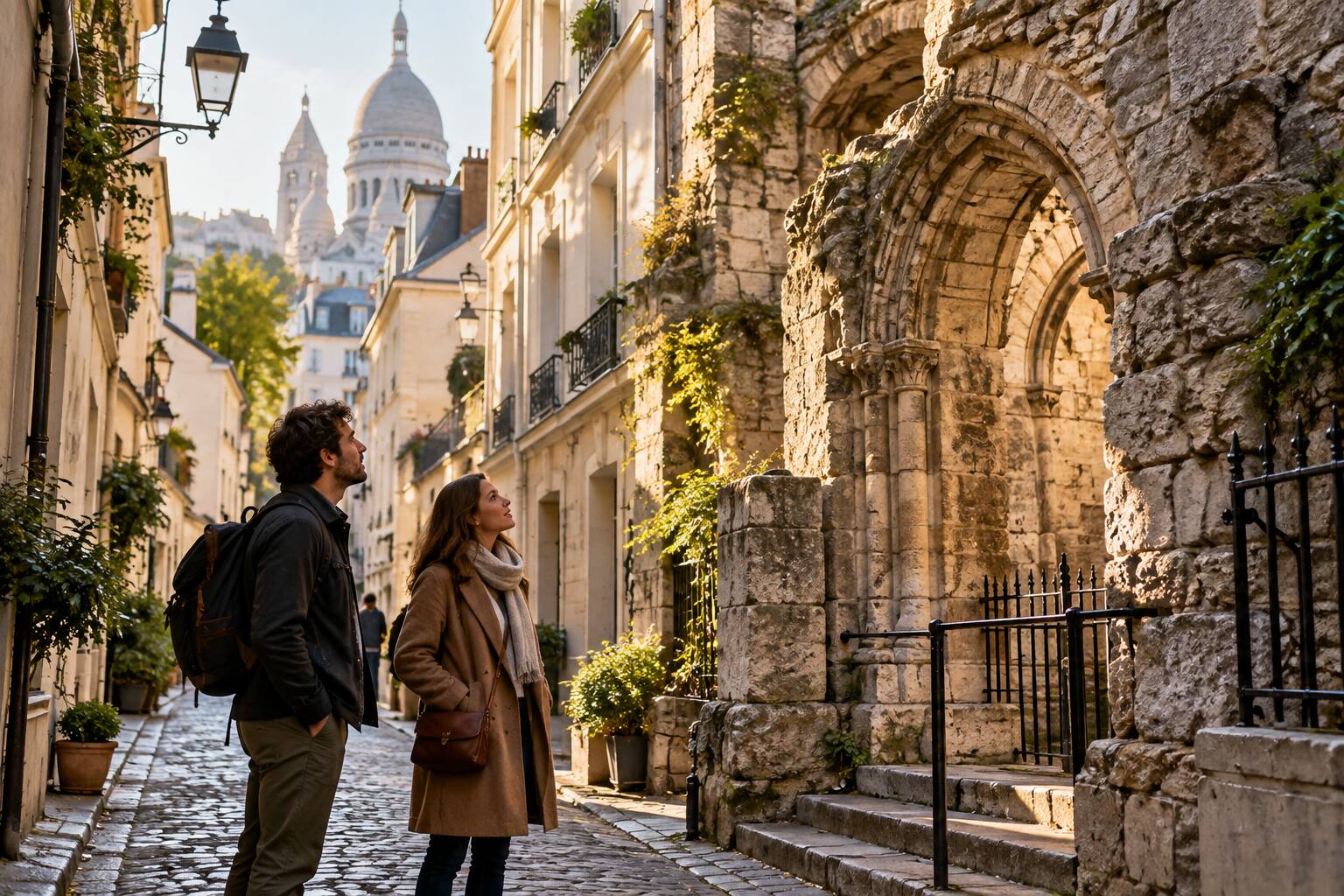
Medieval and ancient traces near familiar routes
1. The Philippe Auguste wall on Rue des Jardins-Saint-Paul preserves a substantial trace of the medieval enclosure within an ordinary urban block. 2. The Arènes de Lutèce reveal part of the Roman city in a neighborhood space many visitors pass on the way elsewhere. 3. The Archaeological Crypt of Île de la Cité makes earlier street levels and structures legible beneath the cathedral square. 4. The Conciergerie’s medieval halls survive inside a building more often approached only through its Revolutionary associations.
Streets that remember vanished Paris
5. Rue des Barres offers a compact lesson in changing levels, old masonry, and the relationship between parish and river. 6. Rue du Prévôt compresses the scale of premodern Paris into a very short passage in the Marais. 7. Cour de Rohan is historically rich but only legitimately visible when public access allows, so never force a door or follow residents inside. 8. The passages around the Grands Boulevards preserve a nineteenth-century commercial system beneath glass roofs, even when shoppers notice only the storefronts.
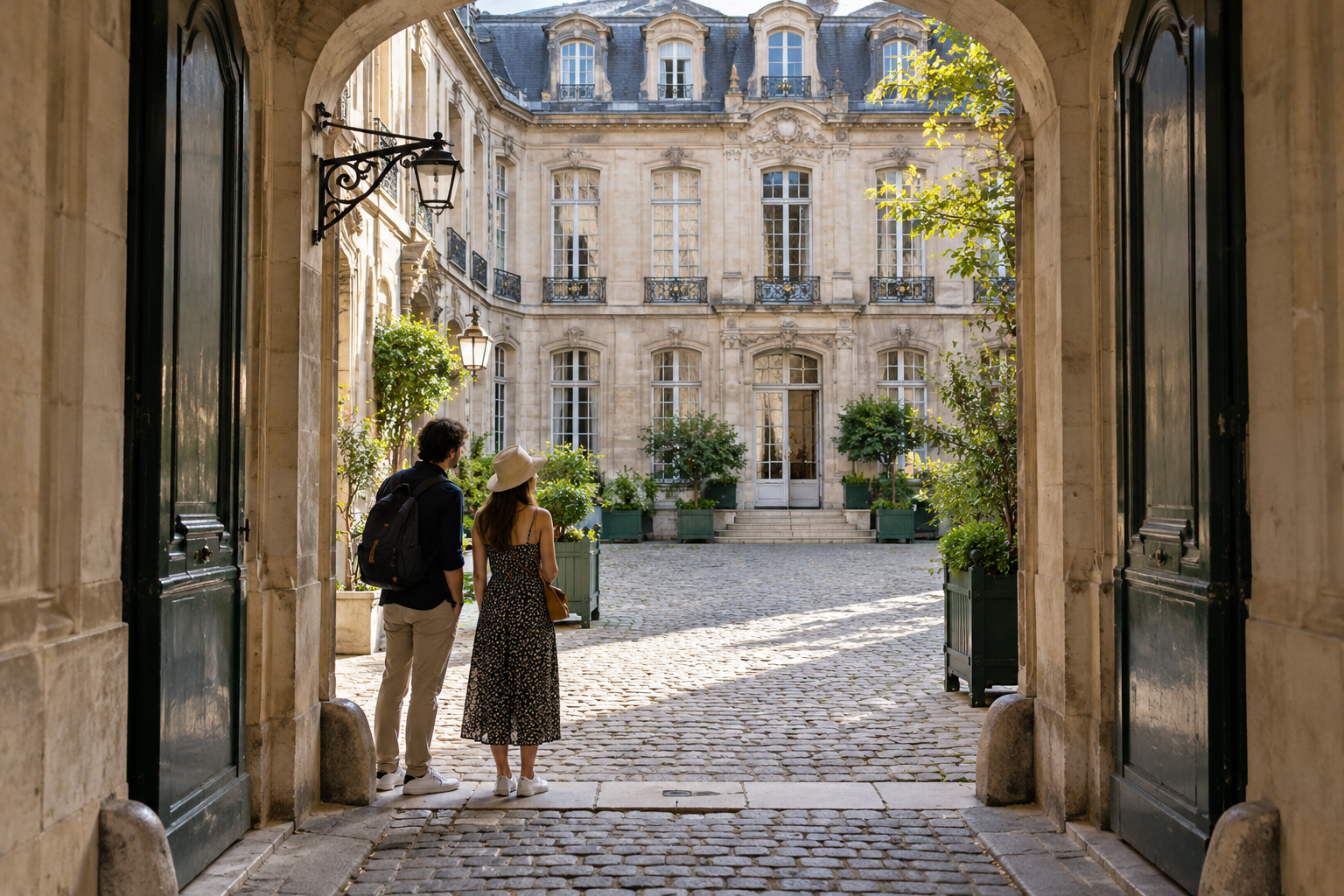
Small signs that change a famous square
9. Commemorative plaques across the city mark arrests, resistance, deportation, artistic lives, and political events on otherwise familiar facades. Read them slowly and verify their context, especially when a single sentence compresses a painful history. 10. The point zero marker near Notre-Dame is small enough to miss but evokes the administrative and symbolic measurement of distance from Paris. Neither detail needs spectacle to matter.
How to look without inventing a secret
Start with a reputable institutional source and then compare the claim with what is visible on site. A worn stone is not automatically medieval, and a dramatic story repeated online is not evidence. Musée Carnavalet provides useful context for the city’s successive forms, while the Crypt and Conciergerie interpret specific archaeological and architectural remains. Distinguish established fact, scholarly interpretation, and legend every time.
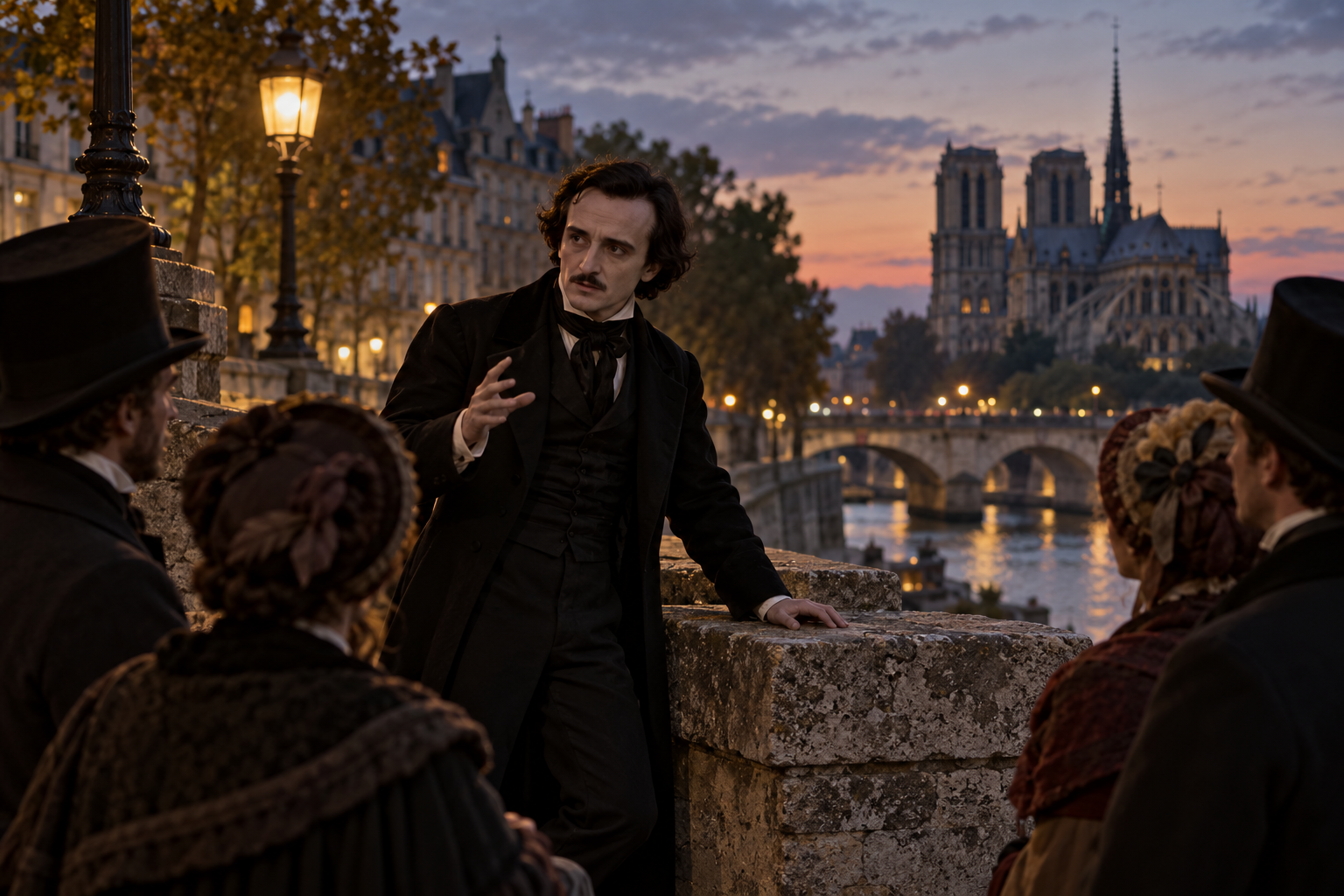
A professional actor embodying Edgar Allan Poe can make Île de la Cité feel charged with narrative while openly acknowledging where legend begins. A professional actor embodying Coco Chanel can reveal how public image, fashion, and place intersect around Rue Cambon and Place Vendôme. The value of these encounters lies in asking better questions, not in turning every doorway into a conspiracy. Hidden history becomes meaningful when attention is paired with restraint.
Walk these places as a connected study in scale, survival, and memory rather than a race to ten coordinates. Check access before travel, respect places of worship and residential buildings, and never enter a private courtyard because a social post called it secret. Look up, look down, and compare the current street with institutional evidence. Paris reveals more when discovery includes responsibility.
For the practical part of this outing, consult Paris, your playground to locate Immmersiv experiences. Browse the personalities according to the subject that interests you. Read what to expect alongside the individual experience description before booking. Confirm current language, suitability, walking requirements, access needs, and availability for your own group.
Continue the story with Immmersiv
On Île de la Cité, The Dark Legends of Paris features a professional actor embodying Edgar Allan Poe and separates documented history from literary atmosphere. Around Place Vendôme, The Chanel Mystery in Paris features a professional actor embodying Coco Chanel and examines the person behind a carefully constructed public image. Both encounters use the visible city as evidence. Confirm the route and current practical arrangements before attending.