A 5-Day Cultural Paris Itinerary
Five cultural days in Paris create enough space to compare masterpieces with neighborhoods, monuments with personal stories, and the capital with one carefully chosen excursion. The itinerary works best when every day has a question and no day tries to contain an entire century. Private encounters can add a human voice, but museums and documented sites remain essential partners in the journey. Confirm opening days, timed entries, transport, accessibility, current experience availability, and prices before booking.
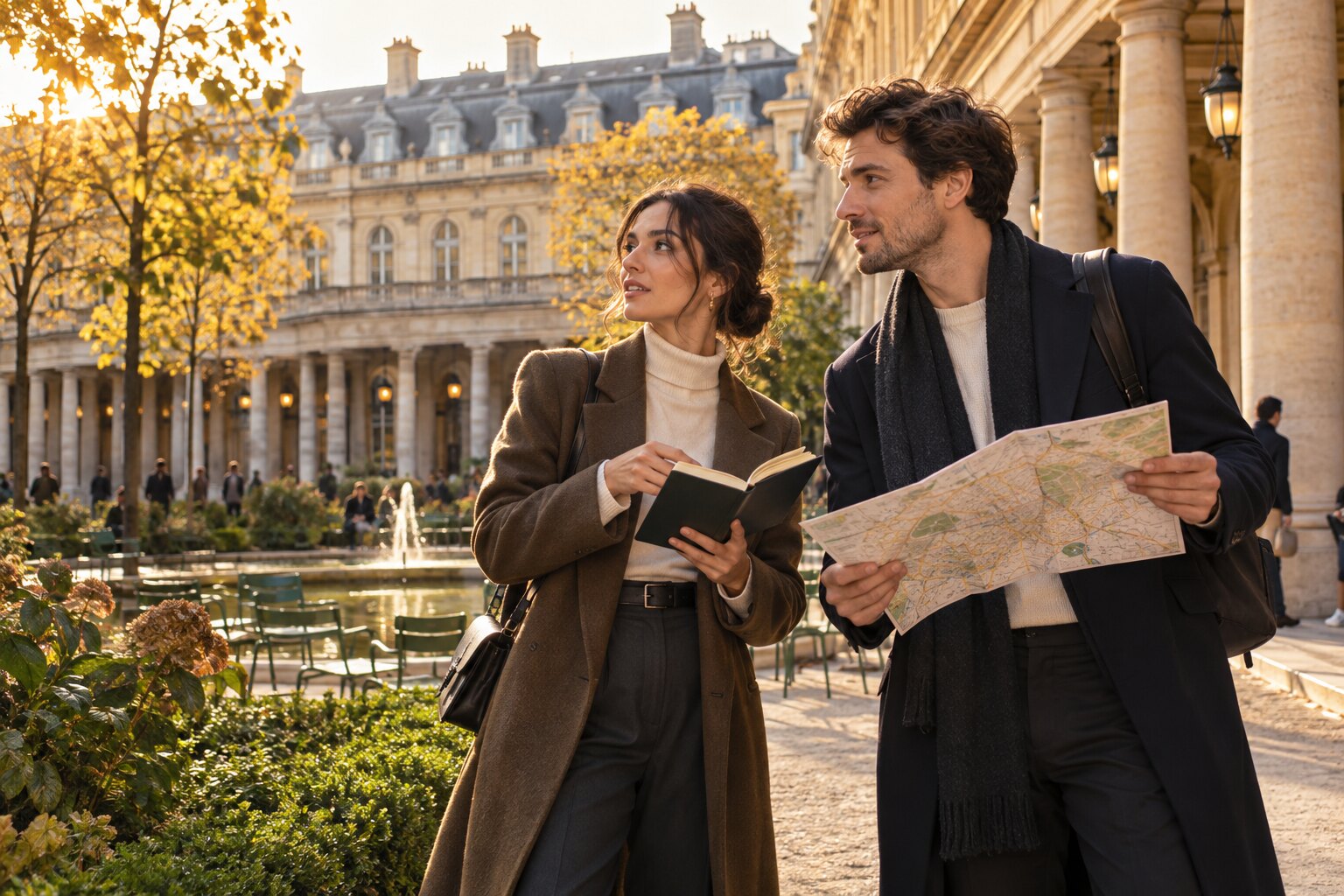
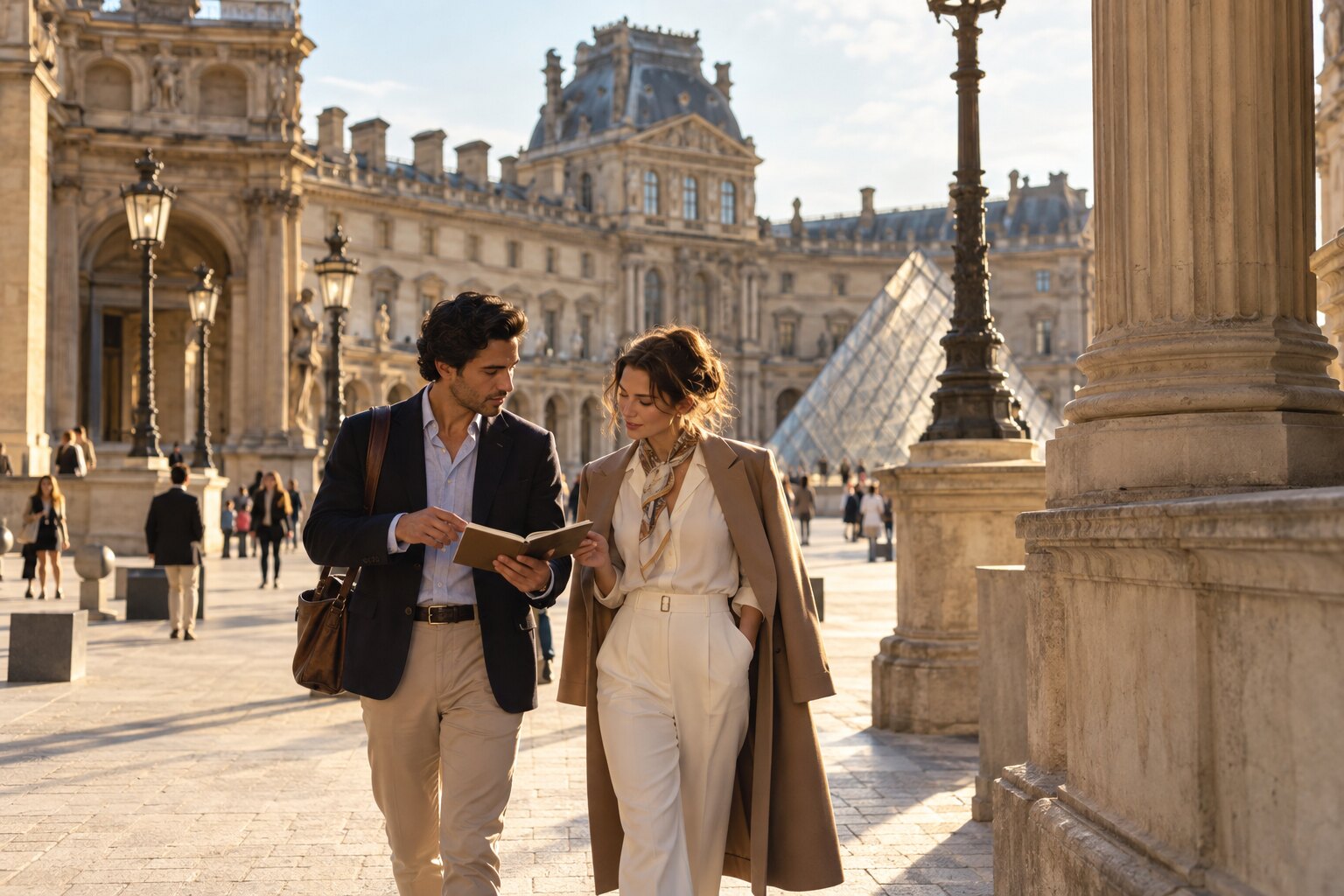
Days one and two: establish scale, then intimacy
Use the first day to understand the city’s physical logic before entering a major museum. Walk one coherent axis, cross the Seine, and identify how royal, civic, religious, and modern Paris overlap without trying to explain every building. A compact route around the Louvre, Palais-Royal, and the river can establish that scale while leaving room for lunch and recovery from travel. Finish with a viewpoint or garden where the group can decide which historical period deserves more attention.
Give the second morning to a major collection, but set a narrow purpose before entering. Choose a period, artist, or question rather than attempting to see an institution in full, and allow time afterward to discuss what the display emphasized or omitted. Continue outside in the neighborhood connected to that question, where façades, street names, and commercial life create a different kind of archive. This alternation between collection and city prevents museum fatigue while making the museum more memorable.
Day three: let a character change the perspective
Place a private story-led encounter at the center of the third day, once travelers have enough context to recognize what the performance is interpreting. A professional actor embodying a historical personality can connect biography, place, and social atmosphere in a way that differs from an audio guide or conventional lecture. The encounter should remain clearly framed as performance, with documented facts distinguished from interpretation and legend. Build the rest of the day around the confirmed meeting point rather than forcing the character into an unrelated sightseeing route.
Pair the encounter with one modest independent stop that can test or extend its themes. Fashion may lead toward Place Vendôme and the Opéra district, artistic community toward Montmartre, and political ambition toward the western monumental axis. Avoid adding a second demanding museum simply because the afternoon is technically free. Conversation, observation, and a well-chosen café pause can be part of serious cultural travel when they help the group process what it has heard.
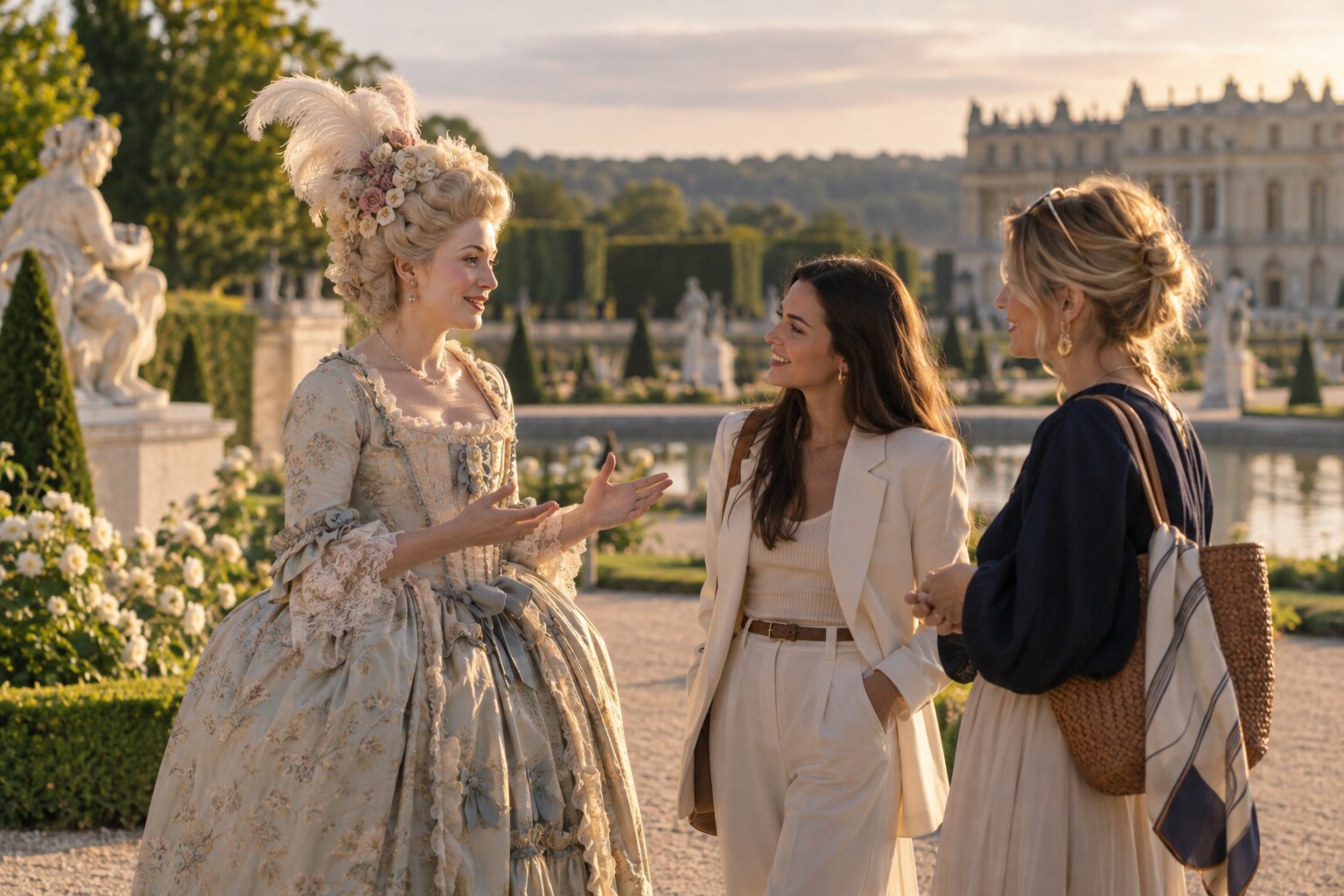
Day four: give Versailles the full day
Treat Versailles as a complete excursion rather than an accessory to a central-Paris schedule. Verify transport, ticket type, entry time, seasonal fountain or garden conditions, walking distances, and accessibility before departure. The palace, gardens, and surrounding town require different forms of attention, so decide in advance which elements matter most to the group. Leave margin around the return journey instead of planning a fragile evening reservation immediately afterward.
If a character encounter is available and appropriate, use it to explore the tension between public image and private life rather than to reproduce a royal myth. A professional actress embodying Marie Antoinette must appear in historically appropriate late-eighteenth-century dress, while contemporary travelers remain elegantly dressed in the present day. Institutional interpretation and verified historical sources should remain the basis for factual claims about the court and the queen. The performance adds perspective and emotional access, not supernatural certainty or unrestricted palace access.
Day five: connect the stories and leave space
Return to central Paris for a final day shaped by questions that survived the first four. Revisit one district from a different direction, choose a smaller museum, or follow the Seine between two places that now carry new meaning. Keep the schedule light enough for the group to make one spontaneous choice based on weather, energy, or curiosity. This flexibility transforms the itinerary from a fixed product into a conversation with the city.
A five-day cultural Paris itinerary succeeds through alternation: overview and detail, museum and street, documented history and responsible performance, Paris and Versailles. It does not need five major attractions each day, nor does every hour require a reservation. Confirm current opening information and every private experience directly before travel, then protect the pauses that allow the material to settle. Travelers should leave with a connected understanding of Paris and several questions worth bringing back.
Continue the story with Immmersiv
The Impressionists of Montmartre features a professional actor embodying Père Tanguy, while Marie-Antoinette, Rebel Queen features a professional actress embodying Marie Antoinette. Use these as possible anchors only after confirming current availability, language, route, meeting point, duration, and access conditions. Each encounter is a researched performance designed to open a perspective on its setting. It should complement, not replace, museums, monuments, and institutional historical interpretation.